





Key Tips Discussed in This Blog
- Resistance is often about independence, not safety, with many seniors concerned about how a device affects their sense of control.
- Medical alert systems only work if they are used consistently, which makes acceptance just as important as the technology itself.
- Low-friction alternatives can improve adoption, especially when they fit naturally into daily routines.
- A gradual, flexible approach builds trust over time, making it easier to introduce additional support when needed.
Medical alert systems are widely used across Canada, yet many older adults and their families hesitate to consider them. Misconceptions about how these systems work, who they are for, and what they offer can create unnecessary barriers to adoption.
Understanding the facts behind these myths can help seniors and caregivers make informed decisions that support safety, independence, and peace of mind.
What Is a Medical Alert System?
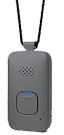
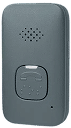
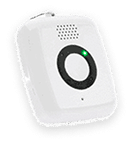
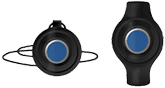
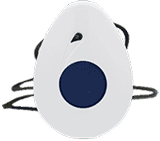
A medical alert system is a personal safety solution that allows individuals to quickly call for help in an emergency. Most systems include a wearable device, such as a pendant or wristband, that connects the user to trained responders at the press of a button.
Some systems also offer automatic fall detection, which can place a call for help even if the user is unable to press the button. Others provide mobile coverage, allowing support both inside and outside the home.
Medical alert systems are designed to be simple to use and reliable in urgent situations. They are often part of a broader approach to safety for older adults who want to continue aging in place with confidence.
Why Misconceptions Prevent People from Getting Help
Many seniors are aware of medical alert systems but delay or avoid using them due to common misconceptions. These beliefs are often shaped by outdated perceptions or a lack of clear information.
Some people assume they do not need a system unless they have already experienced a serious fall or medical emergency. Others feel that using a device may signal a loss of independence.
Caregivers may also hesitate, unsure whether a system is necessary or whether their loved one will actually use it. In some cases, these concerns are tied to ongoing pressure, especially when caregiver burnout and stress becomes part of daily life.
Addressing these misconceptions is important. When expectations are based on outdated or incomplete information, seniors may miss out on tools that can help them stay safe while maintaining control over their daily lives.

Common Myths (and the Truth)
Misunderstandings about medical alert systems are common, but many of them do not reflect how modern devices actually work.
Myth: Medical alert systems are only for people who are very frail
Medical alert systems are often associated with advanced age or serious health concerns. In reality, they are designed for a wide range of users. Many active seniors choose to use them as a precaution, especially if they live alone or manage ongoing health conditions.
Myth: Using one means losing independence
Some seniors worry that wearing a medical alert device signals a loss of independence. These systems support independence by ensuring help is always within reach, which can make it easier to continue living at home with confidence.
Myth: Emergencies are rare, so it is not necessary
It is easy to underestimate the likelihood of an emergency. Falls and medical events can happen unexpectedly, even for individuals who are generally healthy. Planning ahead can make a meaningful difference in how quickly help arrives.
Myth: Devices are complicated to use
Modern medical alert systems are designed with simplicity in mind. Most devices operate with a single button, and features such as automatic fall detection reduce the need for user action during an emergency.
Myth: Family or neighbours can always help
While support networks are important, they may not always be immediately available. A medical alert system ensures that help can be reached at any time, without relying on someone being nearby.
What Medical Alert Systems Actually Do
Medical alert systems provide direct access to help when it is needed most. With the press of a button, users are connected to trained responders who can assess the situation and contact the appropriate support, whether that is a family member, neighbour, or emergency services.
Systems with fall detection add another layer of protection by automatically placing a call if a fall is detected. This can be especially important in situations where the user is unable to reach the button.
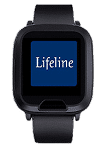
Many systems also offer mobile options that work outside the home. This allows seniors to stay active in their communities while knowing support is always available. Options such as On the Go with Fall Detection and the On the Go smartwatch are designed with senior-friendly features that support mobility while maintaining access to help.
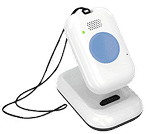
For those who spend most of their time at home, systems like HomeSafe and HomeSafe with Fall Detection provide reliable in-home coverage with simple, easy-to-use equipment.
Medical alert systems can also complement broader health management strategies. For individuals living with ongoing conditions, quick access to help can provide reassurance and support daily routines, much as medical alert systems do for those with chronic conditions.

Who Should Consider One?
Medical alert systems can benefit a wide range of individuals, not only those with advanced health concerns.
They may be especially helpful for seniors who:
- Live alone
- Have experienced a fall or are at higher risk of falling
- Manage chronic health conditions
- Are recovering from illness or surgery
- Want added reassurance while maintaining independence
They can also support caregivers by providing peace of mind. Knowing that a loved one can quickly access help allows caregivers to step back slightly while still staying connected to their safety.
How to Choose in Canada
Choosing a medical alert system involves understanding both personal needs and available options. In Canada, there are several factors to consider when selecting a provider and device.
Coverage is an important consideration. Some systems are designed for in-home use, while others offer mobile protection with GPS capabilities. Options like On the Go Mini or On the Go with Wandering may be suitable for those who spend more time outside or require additional location support.
Ease of use should be a priority. Devices should be comfortable to wear and simple to operate, especially in stressful situations.
Installation and support can also make a difference. Professional in-home installation and guidance can help ensure the system is set up correctly and used with confidence from the start.
For those unsure where to begin, completing a medical alert assessment can help match individual needs with the most appropriate solution.
Reliability and response quality are key. Access to trained responders who can quickly assess situations and connect users with the right help is essential.
Making Confident, Informed Choices
Medical alert systems are often misunderstood, but the reality is straightforward. They provide a reliable way to access help, support independence, and offer reassurance for both seniors and caregivers.
By looking beyond common misconceptions, families can make decisions based on accurate information and real needs. With the right system in place, older adults can continue living safely and confidently in their own homes.
About the Author
What You Should Do Now:
Here are 5 ways we can help you or your loved one live safer and more independently at home as long as possible:
- Get our latest tips, tools and resources straight to your inbox. Sign up for our monthly newsletter.
- Not sure if the time is right for a medical alert service? Take this quick assessment to find out.
- If you would like to learn how to live a healthier and safer lifestyle, go to our blog or visit our resources section, where you can read and download guides.
- Wondering which medical alert system company is the best for your needs? We’ve put together a guide comparing the best medical alert systems for you.