


Key Tips Discussed in This Blog
- Senior independence evolves gradually, and support works best when it adapts alongside changing needs.
- Technology can support safety while respecting personal routines and preferences, even as care needs change.
- Fall detection offers reassurance during times when care is not present.
- Integrating technology into home care plans supports both safety and autonomy.
- Independence is strengthened when seniors remain involved in decisions about their care.
Independence means different things at different stages of life. For many older adults, it includes staying in their own home, making daily decisions, and continuing familiar routines with confidence. As needs change, the right support can help preserve those priorities rather than replace them.
Technology plays an important role in that support. When thoughtfully integrated into home care, tools like fall detection devices help seniors remain safe while continuing to live independently at home. Rather than marking a turning point, technology can support continuity and confidence through each stage of aging. Some seniors choose to use them early as part of a general safety plan, while others add them as needs change. When introduced earlier, these tools tend to feel like a natural part of daily life rather than a response to a specific incident.
If you are exploring how technology can support independence as care needs change, Lifeline Canada’s medical alert systems for seniors and self-guided medical alert assessment provide additional context to help inform care planning decisions.
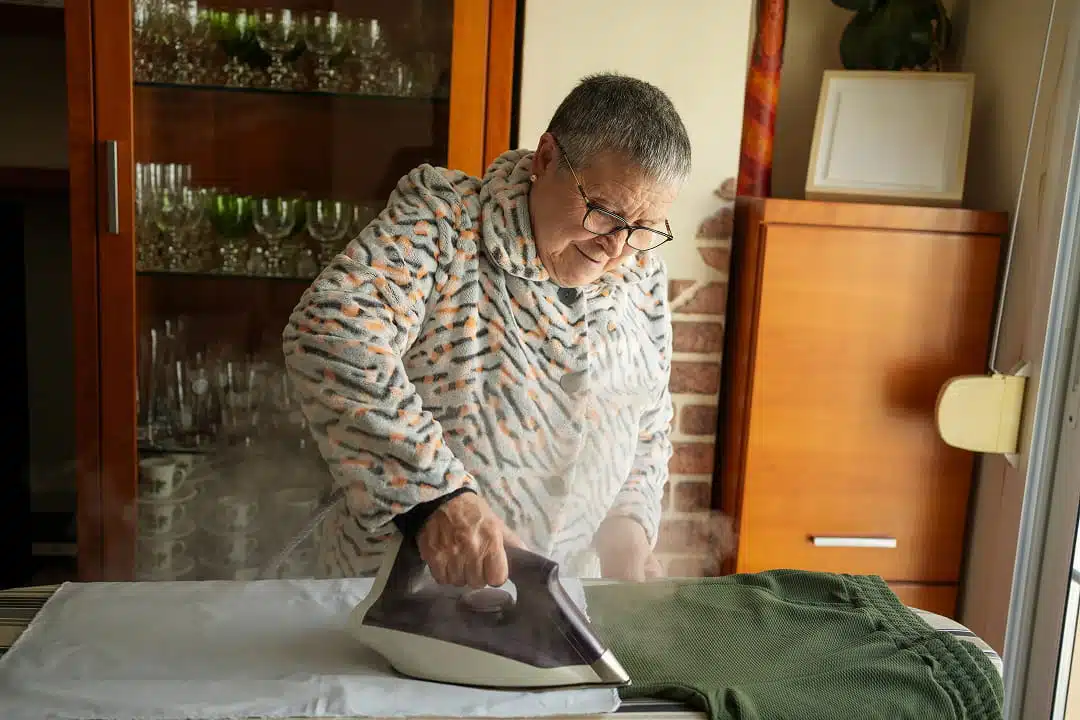
Stages of Independence
Independence looks different for every senior, and it often shifts gradually over time. Rather than fixed steps or timelines, independence is better understood through daily routines, confidence, and how support fits into everyday life. These stages reflect common patterns seen across ageing experiences, regardless of where someone lives.
1. Independent Living
At this stage, seniors manage daily life comfortably. They move through their routines with ease, handle personal care, and make decisions independently. Support may be limited to occasional help with transportation, seasonal tasks, or informal check-ins from family.
Safety at this stage often focuses on preparation rather than assistance. Some seniors choose to introduce safety tools early as part of a broader plan to support confidence and reduce worry, even when help is rarely needed.
2. Independent Living With Light Support
As needs begin to change, certain tasks may take more time or effort. Seniors at this stage remain largely independent while accepting help with specific activities such as housekeeping, meal preparation, or errands.
Balance and mobility may feel less predictable during everyday moments such as bathing, navigating stairs, or moving around at night. Support that fits naturally into daily routines can help seniors stay active and engaged while feeling more secure.
3. Independent Living With Regular Home Care
At this stage, scheduled support becomes part of daily life. Home care visits may assist with personal care, medication routines, or mobility while seniors continue to manage many aspects of their day independently.
Because support is not always present, planning for safety between visits becomes more important. Tools that provide reassurance during periods of independence can help maintain confidence and continuity in daily routines.
4. Living With Coordinated Support
Some seniors benefit from support that involves coordination among caregivers, family members, and care services. Assistance may be more frequent, but seniors remain involved in decisions about their day, their routines, and how care is delivered.
Independence at this stage often centres on communication, predictability, and trust. Knowing that support is coordinated and accessible helps seniors feel secure while maintaining a sense of control.
5. Living With Full-Time Support
At this stage, ongoing daily support is part of everyday life. Seniors may rely on others for physical care while continuing to express preferences, make choices, and participate in decisions that affect their comfort and well-being.
Independence here is reflected through dignity, personal choice, and clear communication. Safety tools can continue to offer reassurance, particularly during transitions or moments when immediate assistance may not be within reach.
As independence changes, one common challenge remains consistent across stages. Seniors often spend time alone between scheduled support, visits, or check-ins. During these moments, confidence and safety rely on having reliable ways to ask for help when it is needed.

Technology That Supports Independence Between Visits
Home care plays an important role in supporting seniors, but care is rarely present at all times. Many falls and health concerns occur during everyday activities when no one else is nearby. A fall detection feature on a medical alert system helps support independence during these moments by providing access to help without disrupting daily routines.
Home care providers frequently include fall detection as part of a broader safety plan. The technology operates quietly in the background and activates if a fall is detected or when help is requested. This allows seniors to move through their homes without interruption while knowing assistance is available if needed.
For providers, fall detection supports continuity of care. Information from an incident can inform follow-up conversations, adjustments to care plans, or recommendations for home safety improvements. It also helps reduce uncertainty for families who may not be nearby.
For seniors, fall detection can increase confidence during everyday activities such as showering, cooking, or moving around at night. While no fall-detection technology can detect 100% of falls, these devices remain an important consideration for older adults who are at risk of, or worried about, falling.
Learning more about fall detection devices for seniors and their role in senior safety at home helps families understand how these tools fit into daily living. Understanding the common causes of falls in seniors also supports proactive prevention and planning.
Balancing Support and Autonomy
Concerns about independence often surface when technology is introduced. Some seniors worry that accepting support means giving something up. In practice, support tools are most effective when they allow seniors to continue activities they value while reducing risk.
Autonomy is preserved when seniors are involved in decisions from the beginning. Conversations that focus on goals, routines, and comfort levels help ensure that technology fits naturally into daily life. Independence includes choosing when and how to accept help, as well as knowing support is available when needed.
Caregivers and home care providers also benefit from tools that enhance coordination without increasing intrusion. When technology supports communication and response rather than constant oversight, it strengthens trust. Resources such as Lifeline’s caregiver resources and insights on how medical alert systems support those with chronic conditions can help families align support with long-term independence goals.
Supporting Independence Over Time
Independence changes, but it does not disappear. With thoughtful planning, seniors can continue living at home while adapting to new needs. Home care and technology work best when they support confidence, safety, and personal choice together.
Fall detection is one part of a broader approach that prioritizes preparation rather than reaction. When introduced early and integrated into care plans, it supports continuity and reassurance instead of crisis-driven decisions.
For seniors and families, this approach creates peace of mind when paired with personalized support. For home care providers, it strengthens the ability to support clients through every stage of independent living while respecting the dignity and autonomy that matter most.
The recommendations in this article are meant to offer general guidance, but every senior’s needs are unique. Always consult with a healthcare professional who understands your loved one’s medical history or a specialist experienced in supporting older adults who wish to age in place. Their insight can help you choose the right solutions and ensure your loved one receives the safest, most appropriate care.
About the Author

What You Should Do Now:
Here are 5 ways we can help you or your loved one live safer and more independently at home as long as possible:
- Get our latest tips, tools and resources straight to your inbox. Sign up for our monthly newsletter.
- Not sure if the time is right for a medical alert service? Take this quick assessment to find out.
- If you would like to learn how to live a healthier and safer lifestyle, go to our blog or visit our resources section, where you can read and download guides.
- Wondering which medical alert system company is the best for your needs? We’ve put together a guide comparing the best medical alert systems for you.