

Key Tips Discussed in This Blog
- Coordination exercises strengthen balance by improving how muscles and the nervous system work together, helping seniors move more smoothly during walking, turning, and reaching.
- Simple at-home balance exercises can support stability without special equipment, making coordination training accessible for daily routines.
- Consistent practice builds confidence and mobility over time, supporting safer movement during everyday activities like climbing stairs or navigating uneven surfaces.
- Balance-focused movement plays an important role in fall prevention planning, especially when combined with thoughtful home safety strategies.
- Creating a safe exercise environment helps coordination exercises remain sustainable, allowing seniors to focus on movement without unnecessary risk.
As we age, balance and coordination can change in subtle ways. Movements that once felt automatic may require more attention, especially when walking on uneven surfaces, turning, or stepping over obstacles. These changes are common, but they do not have to limit independence.
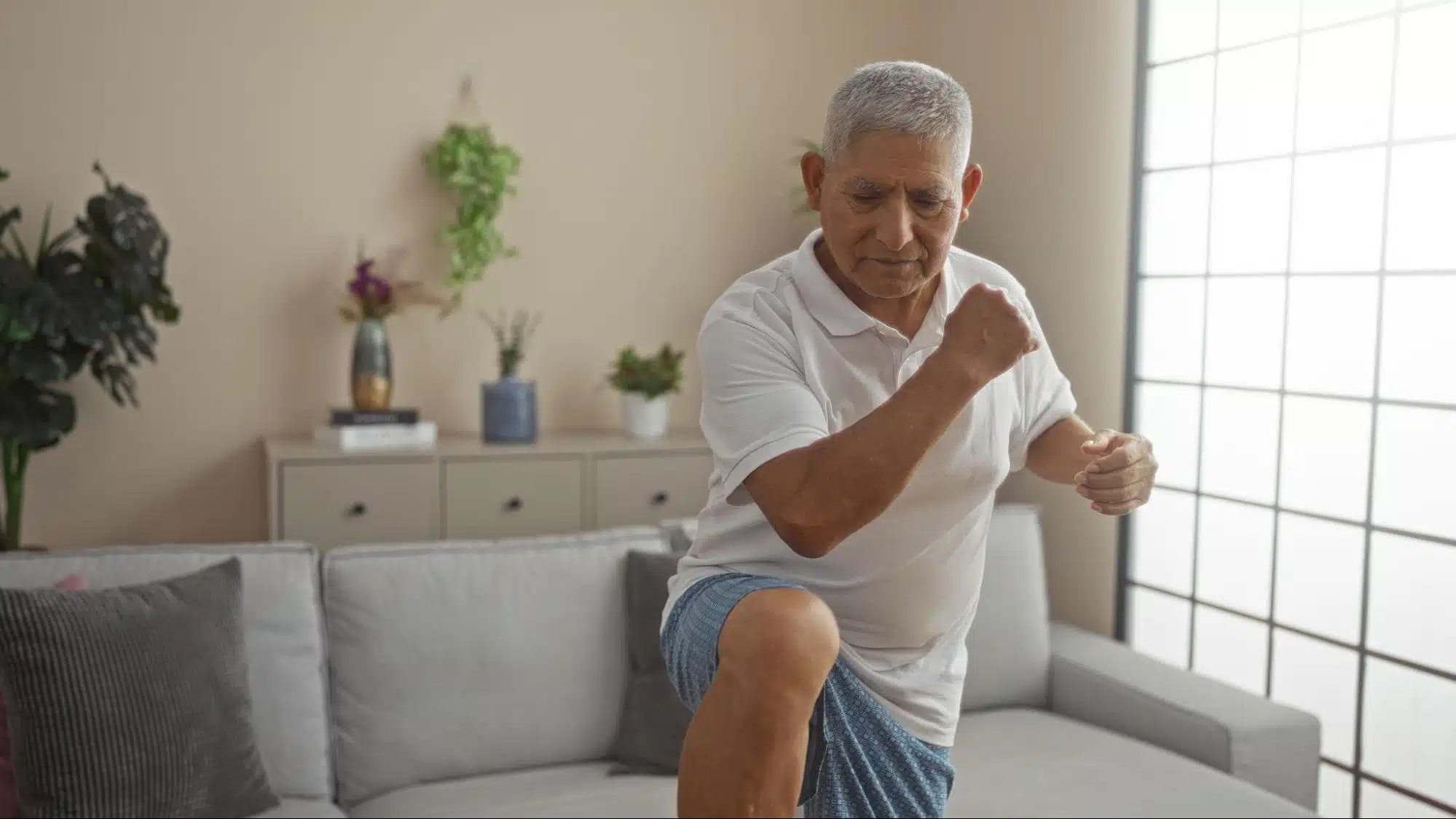
Coordination exercises support how the body moves as a whole. With regular practice, seniors can improve stability, maintain mobility, and feel more confident during daily activities. When approached thoughtfully, these exercises can be done safely at home and adapted to individual comfort levels.
Note: The exercises suggested here do not substitute any programs provided by qualified healthcare professionals. Before attempting a new exercise program, please consult with your healthcare provider.
What are Coordination Exercises?
Coordination exercises focus on how muscles, joints, and the nervous system work together during movement. Rather than building strength alone, they help the body respond smoothly to shifts in position and changes in direction.
Benefits of Coordination Exercises
Balance
Improved balance is one of the most noticeable benefits. As coordination improves, the body becomes better at adjusting to small changes in weight or surface height. Research supports this connection. In a controlled balance training study published in the International Journal of Sports Medicine, participants who completed balance-focused coordination exercises showed improvements in neuromuscular control and muscular balance, even without traditional strength training.
Mobility
Coordination exercises also support mobility by improving movement efficiency. When muscles work together effectively, movements often feel easier and require less effort. This can reduce fatigue during daily tasks and encourage continued activity.
Confidence
Confidence often improves alongside physical stability. When balance feels more reliable, many older adults are more willing to stay active and engaged in daily routines. This ongoing movement supports overall health and plays an important role in fall prevention planning at home. Resources like Lifeline Canada’s fall prevention guide help seniors and caregivers understand how movement, home safety, and preparedness work together to support independent living.
Coordination, Balance, and the Connection to Falls

Long-term research shows that balance and coordination exercises can meaningfully reduce injury risk. A two-year randomized balance training trial published in BMJ found that women with an average age of 80 who participated in a structured balance retraining programme experienced a 19% reduction in injurious falls compared to those who did not take part. Improvements in balance and gait performance were also observed, and participants reported better overall physical function in daily life.
The study also found that while fear of falling tends to increase with age, this increase was less pronounced among those who participated in the balance programme. This suggests that regular balance practice may help older adults maintain confidence in their ability to move safely, even when physical changes are present. Small improvements in measured balance and movement translated into meaningful benefits for everyday activities, which is especially important for seniors who may already be somewhat fragile.
Understanding the common causes of falls among older adults helps explain why coordination-focused movement is so valuable for everyday safety.
Simple Balance Exercises at Home
Coordination exercises do not need to be complex to be effective. Simple movements practiced regularly can improve balance and stability over time. These exercises can be done at home with minimal space and should always be performed near a stable surface, such as a countertop or sturdy chair.
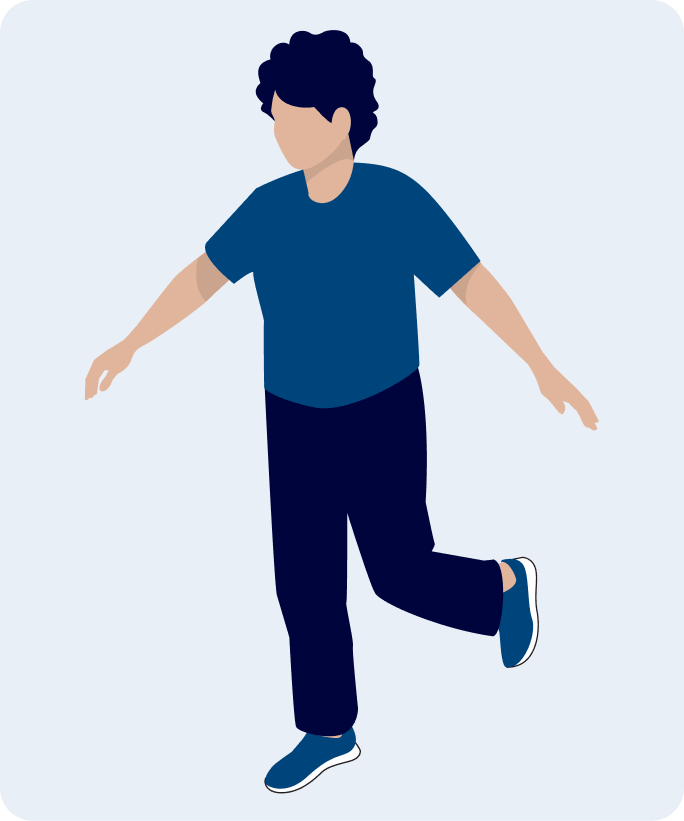
Standing weight shifts
Stand with feet hip-width apart and gently shift weight from one foot to the other. This movement supports balance control while remaining supported and prepares the body for walking and turning.
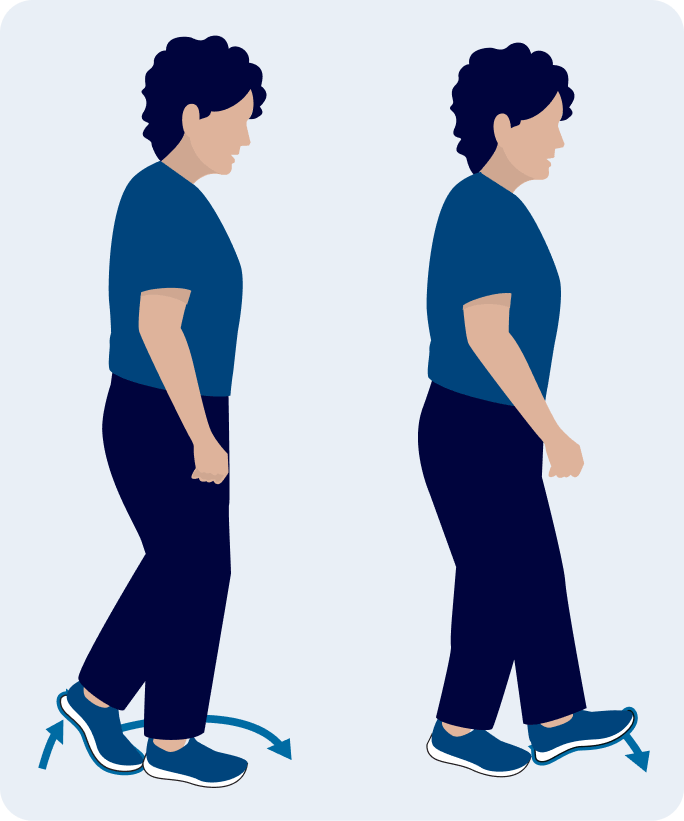
Heel-to-toe walking
Walk slowly in a straight line, placing the heel of one foot directly in front of the toes of the other foot. This encourages controlled movement and body awareness. A wall or counter can provide added support.
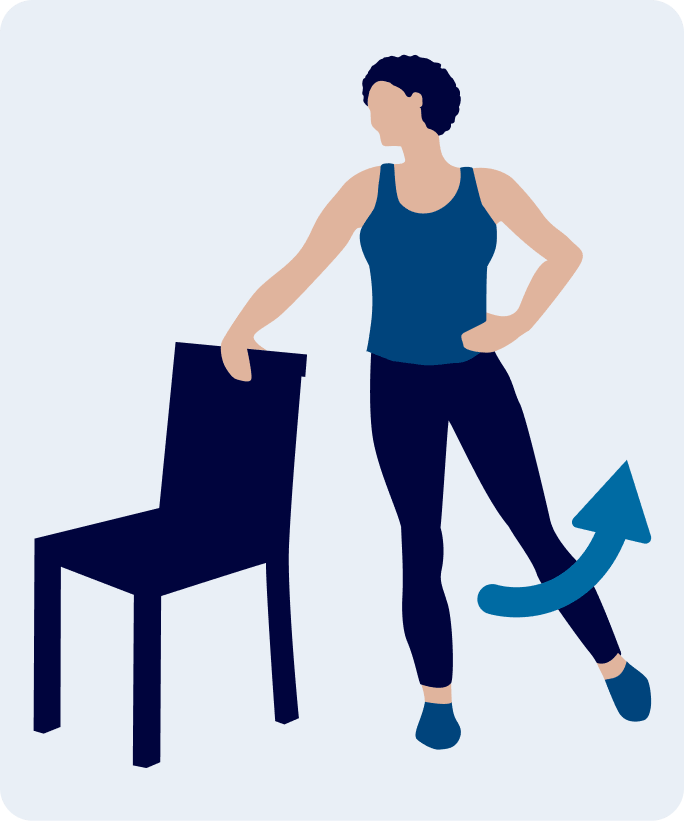
Single-leg balance with support
Stand on one leg while lightly holding a stable surface. The lifted foot can rest lightly on the floor if needed. Even short practice periods can support balance over time.
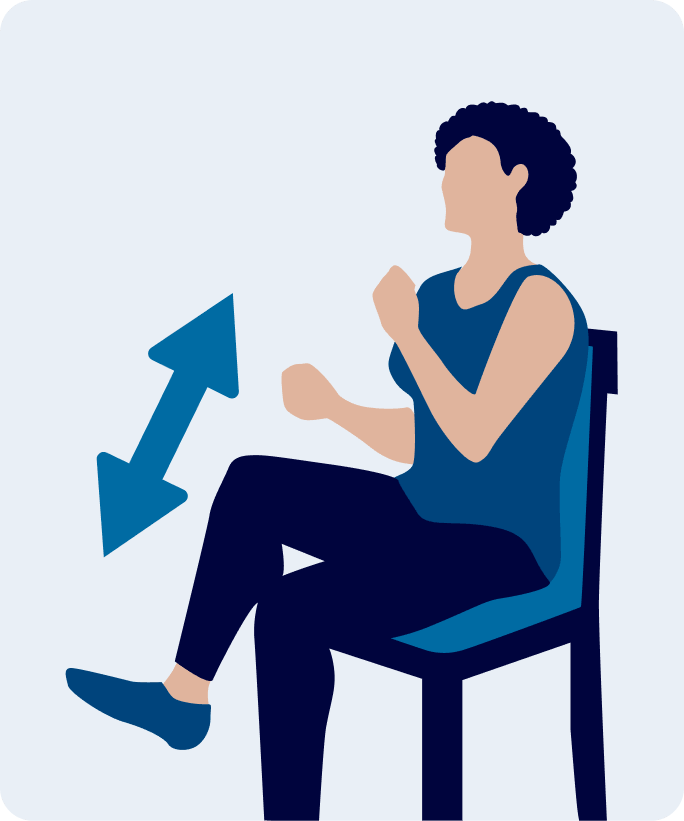
Seated coordination exercises
Coordination can also be practiced while seated. Lifting one foot at a time, extending the legs, or gently marching in place helps prepare the body for standing balance and serves as a helpful warm-up.
For best results, coordination exercises should be practiced consistently rather than intensely. Short daily sessions support steady improvement while reducing the risk of overexertion.
Safety Tips for Seniors
Safety plays an important role in balance training. Exercising in a clear, well-lit area helps reduce distractions and tripping hazards. Supportive footwear or bare feet indoors may improve stability, depending on comfort and flooring.
It can be helpful to exercise at a time of day when energy and focus are highest. Movements should be slow and controlled, with pauses taken if dizziness or discomfort occurs. Keeping a stable surface within reach provides reassurance and physical support.
Thinking beyond exercise is also important. Approaches that support planning for safety while living independently can help seniors feel more confident in incorporating movement into daily routines.
Staying Steady Through Everyday Movement
Coordination exercises support balance, confidence, and mobility when practiced regularly and safely. By focusing on controlled movement and consistency, seniors can strengthen stability in ways that support everyday independence.
Small steps taken consistently help older adults continue moving with confidence while staying connected to the activities and routines that matter most.
About the Author

What You Should Do Now:
Here are 5 ways we can help you or your loved one live safer and more independently at home as long as possible:
- Get our latest tips, tools and resources straight to your inbox. Sign up for our monthly newsletter.
- Not sure if the time is right for a medical alert service? Take this quick assessment to find out.
- If you would like to learn how to live a healthier and safer lifestyle, go to our blog or visit our resources section, where you can read and download guides.
- Wondering which medical alert system company is the best for your needs? We’ve put together a guide comparing the best medical alert systems for you.