

Key Tips Discussed in This Blog
- Chair exercises provide a safe way to stay active when standing movement is limited, allowing seniors to exercise while fully supported.
- Seated workouts help maintain strength needed for daily tasks, including standing up, transferring between surfaces, and maintaining posture.
- Gentle chair-based movements support circulation and joint comfort, which can reduce stiffness and improve overall mobility.
- A simple, repeatable routine encourages consistency without strain, making exercise easier to maintain over time.
- Caregiver support can help integrate chair exercises into daily care routines, reinforcing safety, confidence, and independence.
Limited mobility can make traditional exercise feel out of reach, but movement remains important at every stage of aging. For seniors who experience joint pain, weakness, or difficulty standing, chair exercises are a practical and supportive option.
Chair-based workouts allow older adults to stay active while remaining seated and supported. These exercises help maintain strength, improve comfort, and support daily function without placing unnecessary stress on joints or balance.
Note: The exercises suggested here do not substitute any programs provided by qualified healthcare professionals. Before attempting a new exercise program, please consult with your healthcare provider.
Benefits of Seated Workouts
Chair exercises support physical health in ways that align closely with the needs of seniors with limited mobility.
- One important benefit is improved circulation. Gentle leg and arm movements help promote blood flow, which can reduce stiffness, support joint comfort, and make everyday movement feel easier.
- Seated exercises also help maintain muscle strength needed for daily activities such as standing up, transferring between surfaces, and maintaining posture.
- Evidence from a randomized controlled trial published in the International Journal of Environmental Research and Public Health shows that multi-system exercise programs, including seated and supported movements, improve lower-body strength, balance-related function, and overall quality of life in pre-frail older adults.
- Beyond strength, this type of intervention has been shown to support proprioception and reaction time, both of which play an important role in balance and fall prevention. Improvements in sway control were also observed, suggesting better stability during movement.
- Participants in the study experienced reduced fear of falling and improvements in emotional well-being, including lower levels of depressive symptoms. These changes are meaningful because confidence and comfort with movement often influence how willing seniors are to stay active.
- Posture and core stability are another focus of chair-based exercise. Sitting upright during movement engages muscles that support balance and spinal alignment, which can make sitting and standing transitions feel more controlled over time.
Together, these benefits highlight why seated exercise can be a practical and supportive option for maintaining function, confidence, and quality of life when mobility is limited.
Step-by-Step Movements
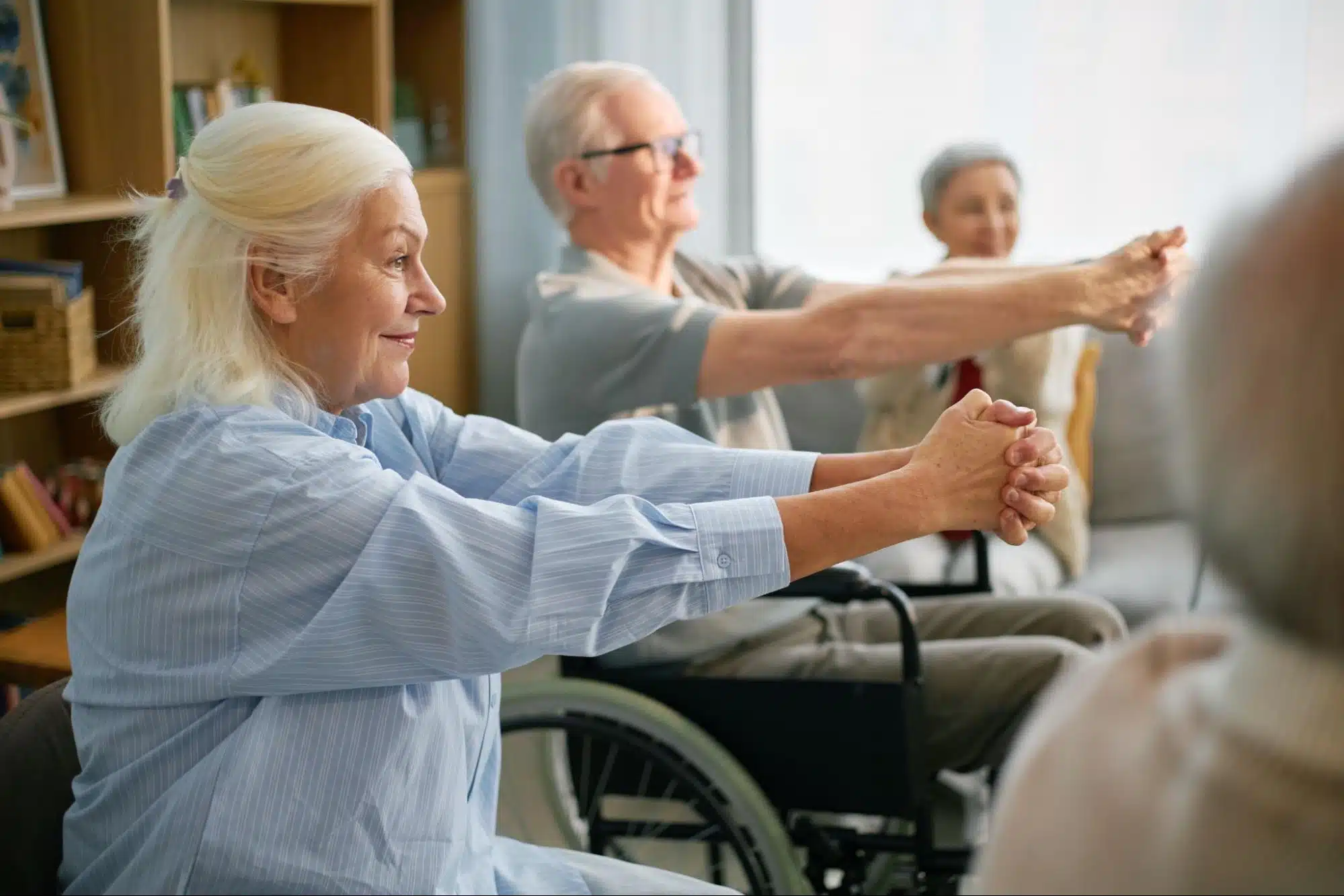
Chair exercises should be performed in a sturdy chair placed on a flat surface. Movements should be slow and controlled, with steady breathing throughout each exercise. These exercises are designed to support strength, coordination, and functional ability while reducing the risk associated with standing movement.
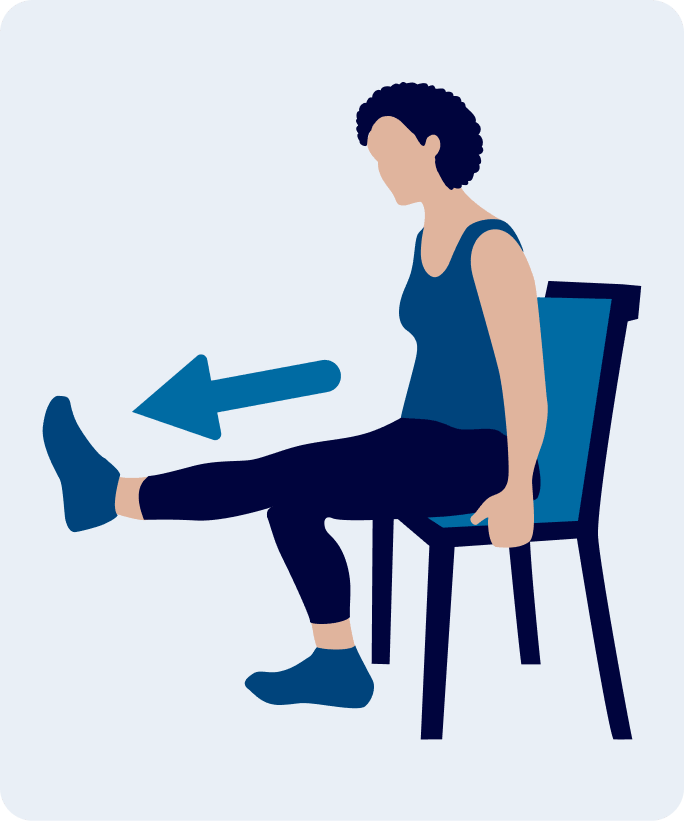
Seated leg extensions
While sitting upright, slowly extend one leg at a time. This movement supports knee extension strength, which plays an important role in standing up from a chair, climbing stairs, and maintaining stability during walking.
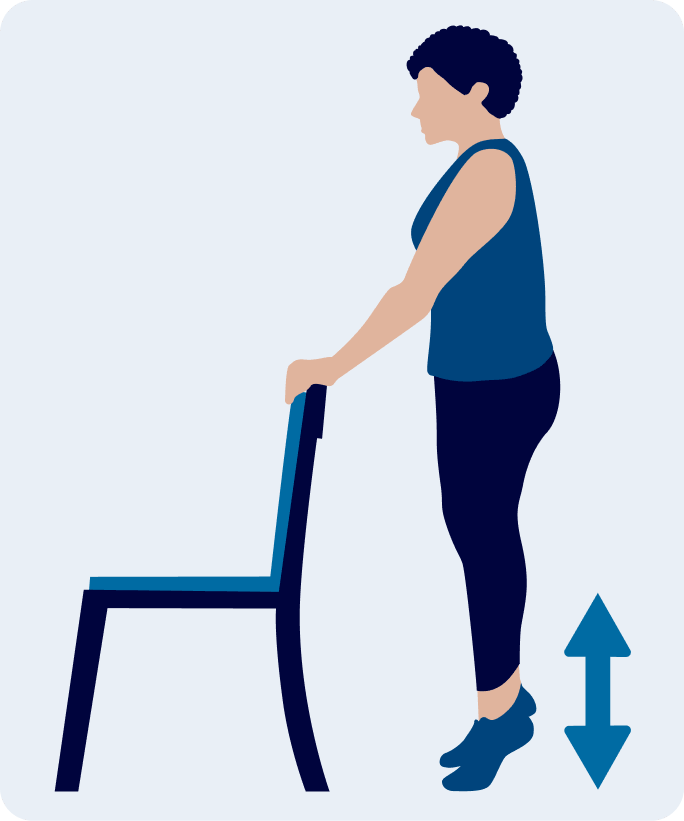
Ankle movements
Gently lifting heels and toes helps improve ankle flexibility and circulation. Strong, responsive ankles support balance reactions and help the body adjust to changes in surface or footing.
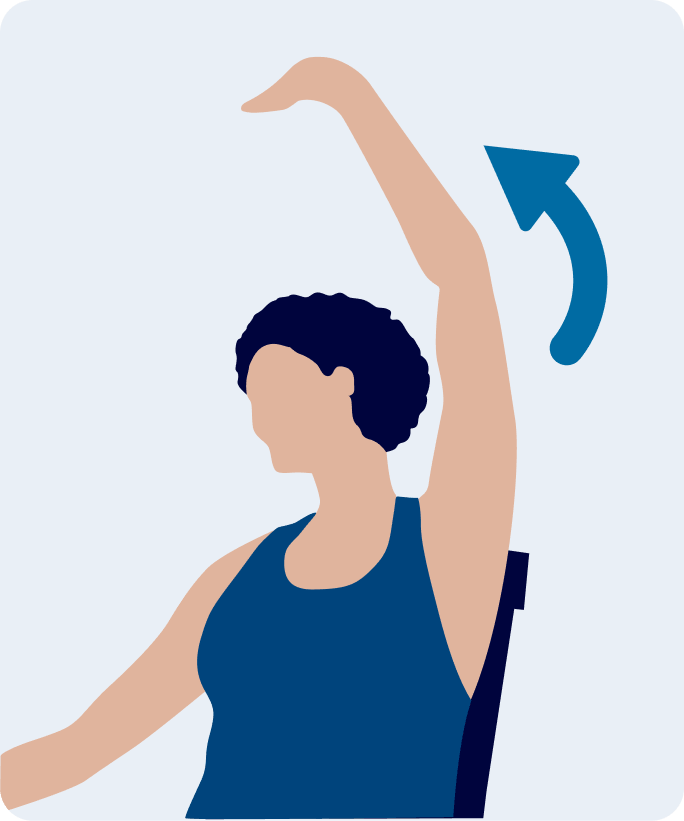
Arm raises and reaches
Raising arms forward or to the sides strengthens the upper body and supports daily activities such as reaching, carrying objects, and maintaining posture during movement.
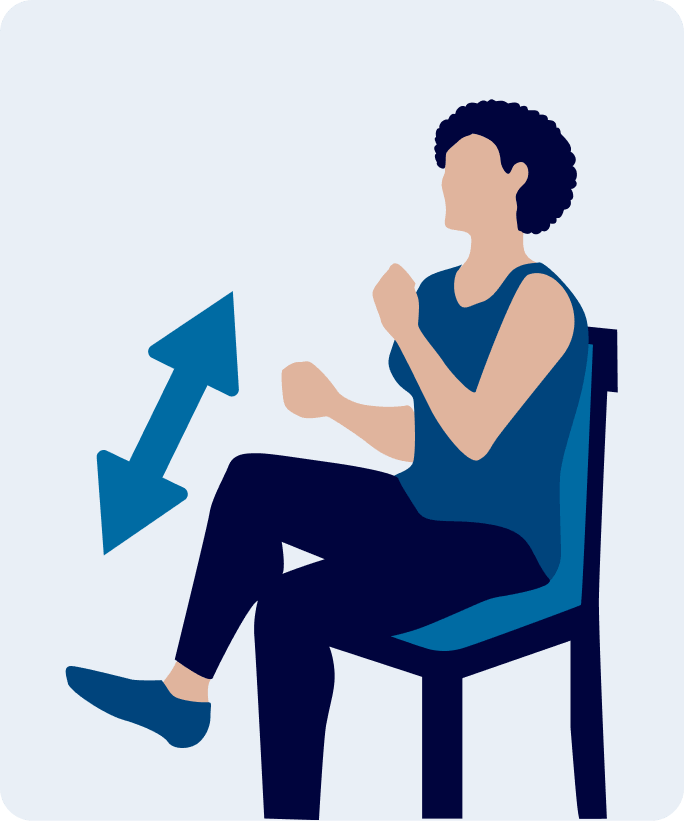
Seated marching
Lifting one knee at a time encourages coordination and gentle core engagement. This movement supports hip strength and weight-shifting ability, both of which are important for safe transfers and walking.
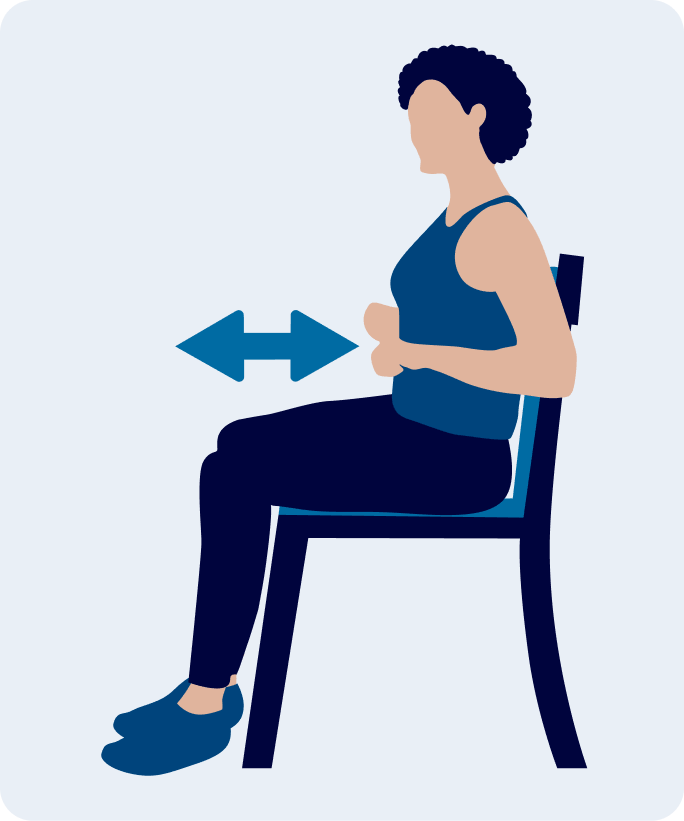
Posture-focused breathing
Sitting tall while taking slow, deep breaths encourages awareness of posture and core engagement. Good postural control supports balance and helps movements feel more stable and deliberate.
This structured, adaptable exercise aligns with evidence that multicomponent physical activity is among the most effective approaches for reducing fall risk and maintaining functional ability in older adults. A physical therapy review published in Nature Reviews Endocrinology highlights exercise training as a central and cost-effective component of fall and fracture prevention, particularly when movements are tailored to an individual’s abilities and combined with other safety strategies. For seniors with limited mobility, seated and supported exercises provide a practical way to participate in this type of preventive movement.
Building a Routine
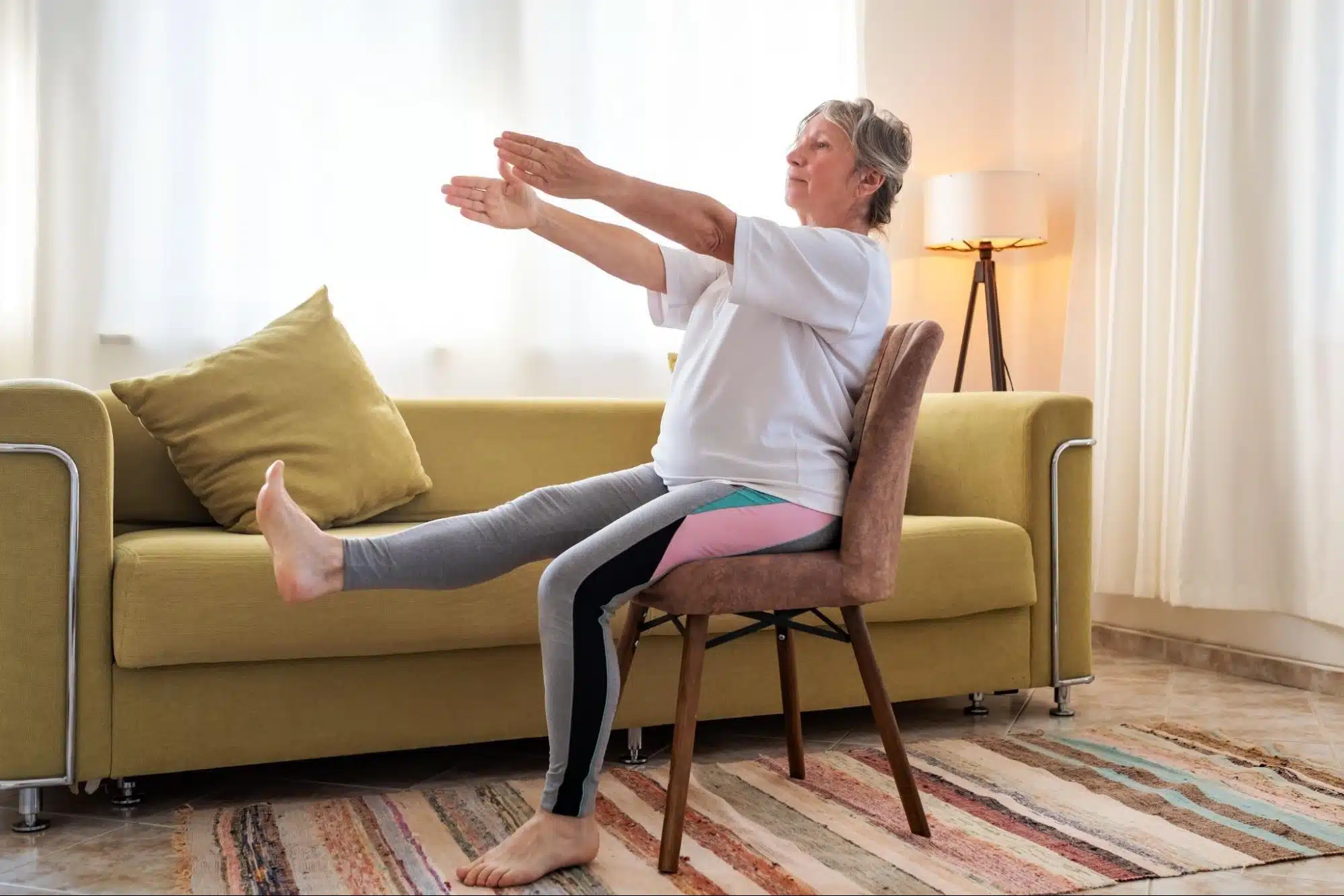
Consistency matters more than duration when building a chair exercise routine. Short sessions completed several times a week can support long-term benefits.
Choosing a regular time of day helps establish a habit. Some seniors prefer morning movement, while others feel more comfortable later in the day. Caregivers who are supporting a loved one’s daily care at home may find it helpful to encourage exercise as part of a familiar routine.
Listening to the body and adjusting movements ensures that exercise remains supportive rather than overwhelming.
Movement That Meets You Where You Are
Chair exercises offer a meaningful way to stay active while respecting physical limitations. Through gentle movement and regular practice, seniors can support strength, comfort, and confidence in daily life.
Movement does not need to look the same for everyone. What matters most is finding safe, supportive ways to keep the body engaged at every stage.
About the Author

What You Should Do Now:
Here are 5 ways we can help you or your loved one live safer and more independently at home as long as possible:
- Get our latest tips, tools and resources straight to your inbox. Sign up for our monthly newsletter.
- Not sure if the time is right for a medical alert service? Take this quick assessment to find out.
- If you would like to learn how to live a healthier and safer lifestyle, go to our blog or visit our resources section, where you can read and download guides.
- Wondering which medical alert system company is the best for your needs? We’ve put together a guide comparing the best medical alert systems for you.