


Key Tips Discussed in This Blog
- Simplify holiday traditions and clearly set boundaries. These steps can help caregivers manage their energy while keeping celebrations meaningful.
- Including seniors through light tasks or storytelling, which fosters connection without overwhelming caregivers or older loved ones.
- Holiday visits are an ideal time to check for safety issues in the home, such as poor lighting or tripping hazards.
- Promoting senior independence with tools like easy-grip utensils or medical alert systems helps reduce daily caregiving strain.
- Focus on connection rather than perfection. That way, families can enjoy the season with less stress and more presence.
The holidays bring anticipation and joy, but for many families with aging loved ones, they can also bring stress and exhaustion. Adult children caring for aging parents often find themselves managing competing priorities: family gatherings, traditions, and the everyday responsibilities of caregiving.
Balancing these needs can feel overwhelming. Many want to honour and uphold long-standing family traditions while protecting their own energy and time, as well as prioritizing the safety of those they are caring for.
This guide offers gentle, realistic ways to help adult children (and caregivers) find balance, maintain safety, and create connection throughout the holidays. It also reminds families that self-care, flexibility, and inclusion can all coexist with cherished traditions.
Why the Holidays Can Be Especially Challenging
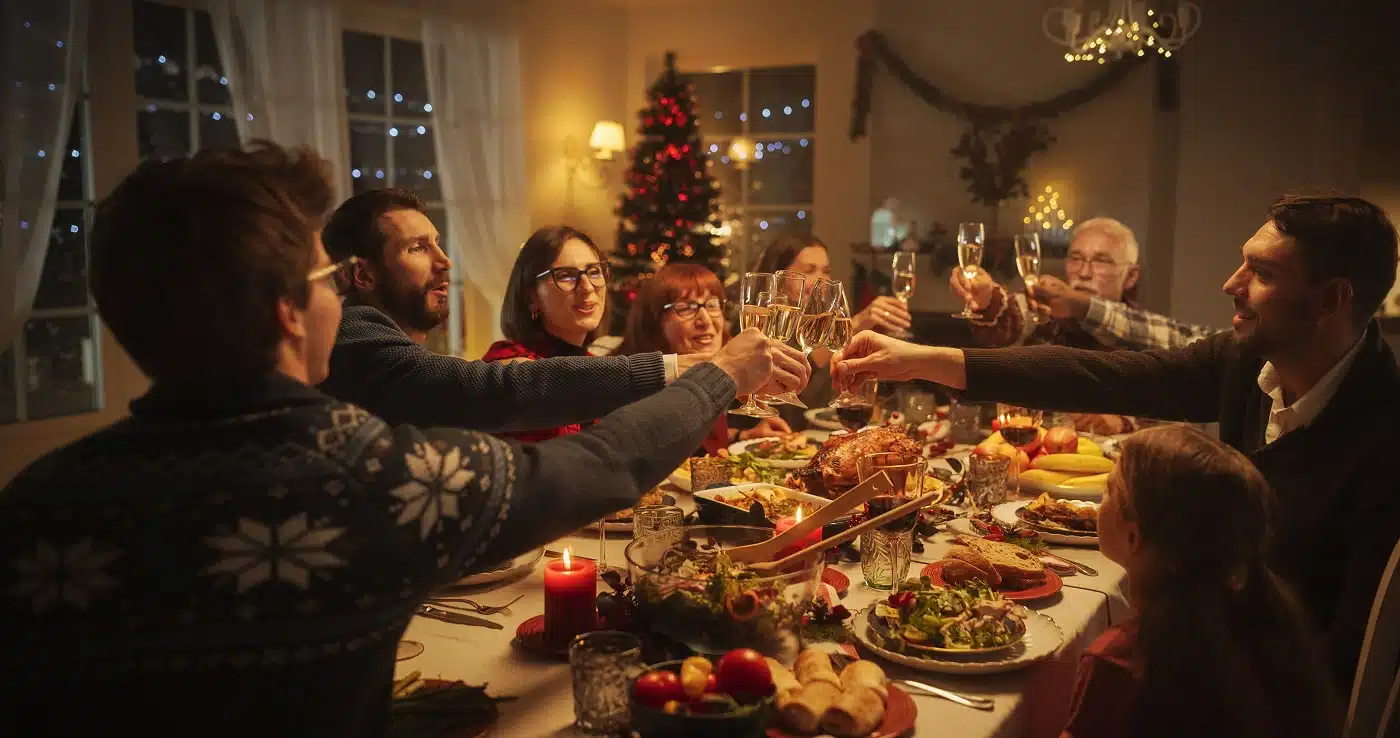
The holiday season can add emotional and logistical challenges for those caring for older family members. Routines often change, meals and visits become more frequent, and expectations from extended family can feel high. Travel and hosting can be especially tiring for those who already juggle full schedules.
- Feelings of guilt may appear when it’s not possible to participate in every event or meet everyone’s expectations.
- Changes in family roles, such as adult children taking on caregiving responsibilities for their parents, can also evoke complex emotions.
- At the same time, older loved ones may experience sadness when traditions look different or when health needs limit participation.
Planning Ahead
Recognizing these challenges can help families set realistic expectations. Taking time to plan, simplify, and accept help can prevent burnout and allow space for joy. Sustainable caregiving practices come from planning and awareness, not constant sacrifice. When boundaries are respected, everyone benefits.
For added support, our article on Caregiver Burnout and Stress provides helpful strategies to manage emotional and physical fatigue.
Setting Boundaries and Simplifying Traditions
One of the most effective ways to reduce holiday stress is to simplify. Meaningful celebrations do not depend on the number of activities or guests. They depend on connection and comfort.
Setting boundaries and adjusting traditions can preserve the spirit of the holidays while easing the workload. Families might consider:
- Planning potluck-style meals so preparation and cleanup are shared.
- Choosing one or two favourite traditions instead of trying to include them all.
- Creating new traditions that reflect current needs, such as an afternoon tea or a relaxed brunch instead of a late dinner.
For example, picture a family that decides to replace their large evening feast with a simple midday tea. This is relatively easy to prepare in advance, the atmosphere stays cheerful, and the older family member enjoys participating without feeling tired.
Communicating boundaries early prevents confusion or disappointment. Share needs openly and invite family members to take part in planning. These conversations may feel uncomfortable at first, but they can lead to understanding and stronger family support.
When Your Senior Loved One Insists on Hosting
If your loved one still wants to host the family gathering, try planning a smaller, more intimate gathering that involves fewer people. These can be easier to manage, between planning, cooking, and cleanup.
Another option is to offer a “shared hosting” plan. Many seniors tie hosting to independence and tradition, so completely taking over can feel sudden. Instead, keep the celebration in their home but take on the heavier tasks, like cooking, setting up, cleaning, or coordinating guests. Over time, this gentle shift can help families naturally “pass the torch” without creating conflict or stress.
Making Loved Ones Feel Included Without Overextending
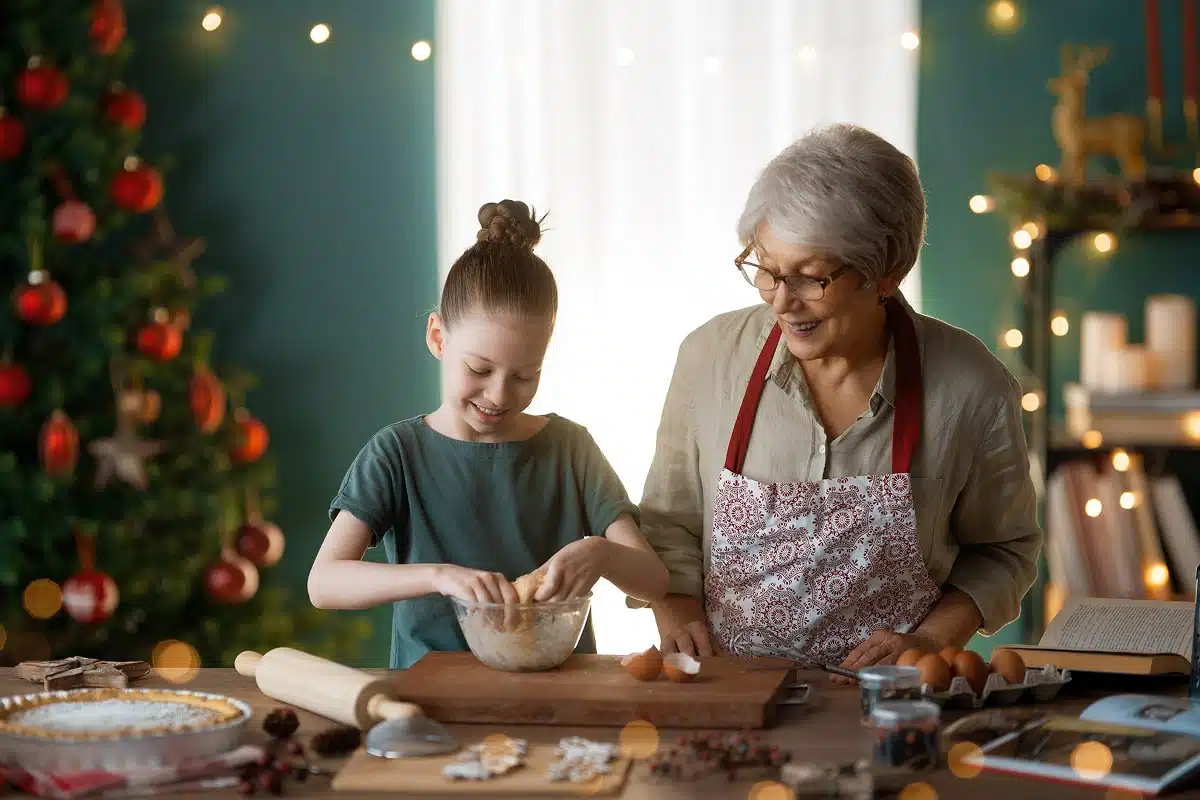
Inclusion helps older adults feel valued and connected. Small gestures can create lasting memories without adding strain to caregivers.
Simple ways to keep seniors involved include:
- Asking them to assist with light tasks such as setting the table or wrapping gifts.
- Encouraging them to share stories, photos, or recipes that celebrate family history.
- Scheduling activities during times when they have the most energy.
- Offering hybrid participation, such as video calls, for relatives who cannot attend in person.
Imagine someone who invites their father to choose the holiday music while the rest of the family works on the more tedious tasks, like setting the table and cooking. In this scenario, the father is included in an important part of the preparation, and it opens up opportunities for conversations with him about his choices.
These actions help seniors feel involved and respected while keeping plans manageable. The goal is to focus on meaningful interaction, not perfect presentation.
For families who live apart, shared experiences like a phone call, an online game, or opening gifts together virtually can give a feeling of connection and closeness. What matters most is the sense of belonging that these connections create.
Readers may also appreciate our blog post, “Make Social Interaction a Priority for Seniors,” which highlights the benefits of consistent connection and engagement.
Safety Tips When Visiting Loved Ones
Holiday visits are a good opportunity to check that an older loved one’s home remains safe and comfortable. A few small changes can prevent accidents and make daily activities easier.
Consider this quick safety checklist:
- Clear walkways and remove clutter or loose rugs.
- Make sure lighting is bright and even throughout the home.
- Keep everyday items within easy reach to prevent stretching or bending.
- Test mobility aids such as walkers or canes to ensure they are stable.
- Confirm that emergency tools are in working order, including medical alert devices.
Taking time for these checks supports both independence and safety. Families can also use these visits to discuss services that provide reassurance, such as fall detection systems.
For more fall prevention tips, check out our “Important Fall Prevention Tips for Older Adults” blog post.
Supporting Independence and Combating Isolation
Independence is closely linked to emotional health in older adults. When seniors have opportunities to make choices and stay active, they often feel more confident and engaged.
Families can encourage this independence in several ways:
- Invite seniors to share opinions on plans or schedules.
- Provide supportive tools that make everyday tasks easier, such as easy-grip utensils or voice-activated devices.
- Introduce senior-friendly technology, including medical alert systems that promote safety without being complicated to use.
- Schedule regular phone calls, walks, or outings beyond the holidays to maintain connection.
Supporting independence also helps adult children feel less pressure. When seniors have resources that help them manage safely, it’s easier to rest knowing loved ones are protected.
Finding Joy and Balance in the Holiday Season
Caregivers often give so much of themselves, especially during the holidays. Balance begins with intention, realistic planning, and some self-compassion.
The season does not have to be perfect to be meaningful. The laughter shared around a smaller table or a quiet evening spent reminiscing can bring just as much joy as larger celebrations.
Caregivers deserve moments of rest and appreciation. And when they honour their limits and care for themselves, they can show up with more presence and warmth for their loved ones.
The holidays are ultimately about connection and peace of mind. With thoughtful boundaries and safety supports like Lifeline, families can celebrate the season with comfort, gratitude, and renewed balance.
To explore how Lifeline’s medical alert systems can help your family stay safe and independent this holiday season, take our Medical Alert Assessment. This short online quiz helps you identify the best system for your lifestyle, offering peace of mind and dependable protection at home or on the go.
About the Author

What You Should Do Now:
Here are 5 ways we can help you or your loved one live safer and more independently at home as long as possible:
- Get our latest tips, tools and resources straight to your inbox. Sign up for our monthly newsletter.
- Not sure if the time is right for a medical alert service? Take this quick assessment to find out.
- If you would like to learn how to live a healthier and safer lifestyle, go to our blog or visit our resources section, where you can read and download guides.
- Wondering which medical alert system company is the best for your needs? We’ve put together a guide comparing the best medical alert systems for you.