









Key Tips Discussed in This Blog
- Primary care access remains a challenge for millions of Canadians, even though many older adults do have a regular family doctor or nurse practitioner.
- Timely access matters as much as having a provider, especially for seniors managing chronic conditions or increasingly complex health needs.
- Lifeline does not replace a family physician or healthcare services, but it can provide another way to connect with help during a fall, medical emergency, or other urgent situation.
- Families can strengthen a senior’s safety plan with multiple supports, including healthcare contacts, home-safety measures, caregiver coordination, and a reliable way to summon assistance.
Access to a regular family physician or other primary care provider plays an important role in maintaining health throughout life. For older adults, that relationship can become especially valuable as healthcare needs change or become more complex.
Yet millions of Canadians continue to face challenges accessing primary care. According to findings from the 2025 OurCare National Survey, an estimated 5.9 million Canadian adults did not have a regular family doctor, nurse practitioner, or primary care team. Even among those with a regular clinician, timely access can be difficult.
For seniors and their families, Canada’s family physician shortage may raise questions about what other supports can help someone remain safe and independent. A medical alert system cannot replace a family physician, nurse practitioner, or other healthcare service. It can provide another way to reach help during a fall, medical emergency, or other situation requiring assistance.
How the Family Physician Shortage Affects Seniors
The impact of Canada’s primary care challenges is more complicated than simply counting how many people have a family doctor.
In fact, older Canadians are comparatively likely to have one. The 2025 OurCare National Survey found that 87.7% of respondents aged 65 and older had a family doctor or nurse practitioner, compared with 81% of respondents overall.
Accessing that provider when care is needed can still be challenging. Among respondents who had a primary care clinician, only 37% said they could get an appointment for an urgent issue on the same or next day.
Access also varies across Canada. OurCare’s provincial and territorial findings show meaningful differences in both attachment to primary care and timely access depending on where people live. Rural and remote communities can face additional barriers related to the availability of healthcare professionals and services.
These issues matter for older adults because healthcare needs can become more complex with age. Family physicians and primary care teams can play an important role in managing chronic conditions, reviewing medications, providing preventive care, arranging referrals, and coordinating care with other parts of the healthcare system.
There are also concerns about the future capacity of the family physician workforce. A 2025 study published in Canadian Family Physician examined family physicians in Ontario and found that the workforce stagnated between 2019 and 2022, while the proportion of physicians aged 65 and older increased. Patients attached to physicians approaching retirement also tended to be older and have greater levels of chronic illness and medical complexity.
Those findings are specific to Ontario rather than all of Canada, but they illustrate how an aging healthcare workforce and increasingly complex patient needs can intersect.
Why Families May Need Extra Safety Supports
Healthcare access is one part of supporting a senior’s health and independence. Everyday safety is another.
A senior may spend hours at home alone even when they have a regular family physician and supportive family nearby. If they fall, suddenly feel unwell, or experience another urgent situation, the immediate concern is often much simpler: Can they reach someone who can help?
That is where a broader safety plan can make a difference.
Depending on the individual’s needs, that plan might include home modifications, mobility aids, accessible emergency contacts, regular check-ins from family or friends, organized medication and health information, and a reliable way to summon assistance.
When family or friends cannot always be available for those regular check-ins, Lifeline’s CheckIn Service can provide another option. A trained Lifeline Personal Response Associate calls the senior at scheduled times to check on their well-being and determine whether they need assistance.
These supports should be tailored to the individual rather than added simply because someone has reached a certain age. The goal is to protect independence by making it easier for seniors to continue their routines with appropriate support available when needed.
Families looking at the bigger picture can explore our guide to aging in place and home healthcare solutions for seniors for other considerations when planning for safety and independence at home.
What Lifeline Can and Can’t Replace
The distinction between healthcare and senior safety support is especially important when discussing Canada’s family physician shortage.
A Lifeline medical alert system does not fill the role of a doctor. It does not diagnose symptoms, prescribe medication, manage chronic conditions, or provide routine medical care.
Its role is different: helping a subscriber connect with trained response support when assistance is needed.
| Lifeline can support | Lifeline does not replace |
| A way to summon help during an urgent situation | A family physician or nurse practitioner |
| Connection with trained Lifeline response | Medical diagnosis or treatment |
| Contact with family, neighbours or emergency services when appropriate | Routine appointments and preventive care |
| Additional safety while living independently | Clinical monitoring or medication management |
| Reassurance for seniors and caregivers | Emergency medical services when emergency treatment is required |
This distinction also means pressing a help button does not necessarily result in an ambulance being sent. Lifeline response can communicate with the subscriber, assess what assistance is needed and connect them with an appropriate contact based on the situation. That could include a family member, neighbour or emergency services.
A medical alert system is therefore best viewed as one layer within a broader network of healthcare, family, community and safety supports.
Families considering this option can learn more about how to choose the right medical alert system for seniors.
How Medical Alert Systems Help in Emergencies
When an urgent situation occurs, being able to access help quickly can be particularly important for someone who lives alone or cannot easily reach a telephone.
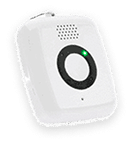
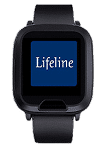
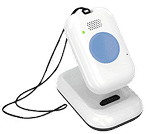
At Lifeline Canada, our medical alert systems give subscribers access to trained response support through a wearable help button. If help is needed, the basic process is straightforward:
Urgent situation → Alert initiated → Lifeline response → Situation assessed → Appropriate help contacted
For example, a senior who falls and cannot get up may be able to press their wearable help button rather than trying to reach a telephone. Someone who suddenly feels ill can also use the system to request assistance.
Some Lifeline options include automatic fall detection. If the technology detects a fall, an alert can be generated even if the subscriber does not press the help button. No fall detection technology can detect every fall, however, so subscribers should always press their button when they are able.
Families can learn more about the technology in our guide to fall detection devices for seniors in Canada.
Different lifestyles may also call for different types of coverage. At-home systems are intended for seniors who primarily want support around their residence, while mobile options can extend access to response while someone is away from home.
The common purpose is not to diagnose what is happening or provide medical treatment. It is to create a reliable pathway to assistance.
Families interested in adding that connection to a loved one’s safety plan can compare Lifeline Canada’s medical alert systems.
Support Tips for Caregivers
Challenges accessing primary care can create additional uncertainty for family caregivers. But caregivers should not be expected to fill the role of healthcare professionals or manage every aspect of a senior’s safety themselves.
A practical plan can make responsibilities clearer while helping the older adult remain involved in decisions about their own care.
Caregiver support checklist:
- Keep an up-to-date list of medications, allergies, medical conditions and healthcare contacts.
- Know which local healthcare services may be available when the senior’s regular provider cannot be reached.
- Keep family, neighbour and emergency contact information current.
- Consider how the senior would summon assistance if they were alone and unable to reach a phone.
- Check whether mobility aids and home-safety measures continue to meet changing needs.
- Review the safety plan after a fall, hospitalization, significant health change, or change in living arrangements.
- Include the senior in decisions about healthcare and safety whenever possible.
- Share responsibilities with other family or community supports where possible rather than expecting one caregiver to manage everything.
Communication can also help seniors and caregivers make the most of the healthcare access they do have. Our caregiver’s guide to communicating with healthcare providers includes tips for preparing for appointments and keeping important information organized.
Caregiver well-being matters, too. Recognizing the signs of caregiver stress and burnout can be an important part of building a support plan that remains sustainable.
Frequently Asked Questions
Is there really a family doctor shortage in Canada?
Yes, although access differs significantly by region and has shown some signs of improvement. The 2025 OurCare National Survey estimated that more than 5.9 million Canadian adults lacked a regular family doctor, nurse practitioner, or primary care team.
Canada’s healthcare workforce challenges also extend beyond family medicine. The Canadian Medical Association describes health human resource shortages as one of the country’s most pressing healthcare challenges and calls for more integrated workforce planning to better align healthcare capacity with population needs.
Are seniors more likely to be without a family doctor?
The available national survey data does not support that assumption. In the 2025 OurCare survey, 87.7% of respondents aged 65+ reported having a family doctor or nurse practitioner, a higher percentage than among younger age groups surveyed.
For seniors, the concern can also involve how quickly care is available, continuity when a longtime physician retires, and access to the services needed to manage increasingly complex health concerns.
Can a medical alert system replace a family doctor?
No. Medical alert devices in Canada can provide a way to connect with response support when assistance is needed, but they do not provide primary care, diagnosis, treatment, prescriptions, or ongoing management of medical conditions.
What happens when a senior presses a Lifeline help button?
The subscriber is connected with trained Lifeline responders. The responder can assess the situation and arrange appropriate assistance, which may include contacting a family member, neighbour or emergency services depending on what is needed.
Can fall detection call for help if a senior cannot press the button?
Fall detection can automatically initiate an alert when the technology detects a fall. However, no system can detect every fall. Subscribers should press their help button whenever they are able to do so.
A Stronger Safety Net While Healthcare Access Evolves
Solving the family physician shortage in Canada requires long-term action across the healthcare system. Seniors and family caregivers should not be expected to compensate for gaps in the healthcare workforce themselves.
What families can do is consider the network of supports surrounding an older adult and identify where additional safety measures may be useful.
Lifeline occupies one clearly defined place within that network. Our medical alert systems do not replace healthcare professionals, but they can help seniors connect with assistance when an urgent situation occurs.
For seniors who want to continue living independently and caregivers who cannot always be physically present, that added connection to help can provide another layer of safety and peace of mind.
About the Author

What You Should Do Now:
Here are 5 ways we can help you or your loved one live safer and more independently at home as long as possible:
- Get our latest tips, tools and resources straight to your inbox. Sign up for our monthly newsletter.
- Not sure if the time is right for a medical alert service? Take this quick assessment to find out.
- If you would like to learn how to live a healthier and safer lifestyle, go to our blog or visit our resources section, where you can read and download guides.
- Wondering which medical alert system company is the best for your needs? We’ve put together a guide comparing the best medical alert systems for you.