







Key Tips Discussed in This Blog
- Most medical alert systems are not automatically covered by provincial health insurance, but some seniors may be able to access provincial programs, disability supports, private insurance, tax credits, or caregiver-related resources.
- Funding options vary by province, and only some provinces have concrete subsidies, tax credits, healthcare partnerships, or assistance pathways that can be reliably listed.
- Private health insurance and employer benefits may reimburse some costs, depending on the plan, eligibility requirements, and documentation provided.
- Tax credits may not apply in the way many families expect, so it is important to review current CRA guidance before assuming a personal emergency response system can be claimed.
- The best medical alert system balances affordability, reliability, and personal needs, helping seniors protect independence while giving caregivers added peace of mind.
For many Canadian seniors and their families, a medical alert system provides reassurance that help is available when it is needed most. Whether someone is aging in place, managing a chronic condition, or recovering from a health event, quick access to assistance can support safety and independence at home.
One of the most common questions families ask is whether medical alert systems are covered by insurance in Canada. Coverage is not always straightforward. Provincial health insurance plans do not typically include medical alert systems as a standard benefit, but funding programs, subsidies, private insurance benefits, or caregiver supports may help offset costs in some situations.
Health Canada notes that assistive devices can help older adults maintain independence and make daily activities safer, although funding is often managed through provincial and territorial programs.
This guide explores medical alert insurance coverage options across Canada, including provincial funding, private insurance, and other ways to make a personal emergency response system more affordable.
Are Medical Alert Systems Covered by Insurance in Canada?
Coverage depends on where you live, which programs you qualify for, and whether your private insurance or benefits plan includes eligible support.
Provincial health insurance plans, such as OHIP in Ontario and the Medical Services Plan in British Columbia, generally do not automatically cover medical alert monitoring services. These plans usually focus on medically necessary physician and hospital services, while personal emergency response systems are more often treated as supplemental safety supports or assistive technology.
Financial assistance may still be available through:
- Provincial disability assistance programs
- Seniors’ assistance programs
- Indigenous health benefits
- Private health insurance plans
- Employer and retiree benefits
- Caregiver support initiatives
- Community-based funding programs
Medical alert systems can be part of a broader approach to aging in place and senior safety. They may also support individuals managing ongoing health concerns, as discussed in How Medical Alert Systems Support Those with Chronic Conditions.
Because eligibility rules differ across programs, seniors and caregivers should confirm the requirements before assuming that medical alert systems are covered by insurance in Canada.
Jewelry vs. Monitored Medical Alert Systems
Some families also wonder how a medical alert system differs from medical identification jewelry. Both can play a role in safety, but they serve very different purposes.
| Option | How It Works | Best Suited For |
| Medical ID Jewelry | Displays important health information for responders or caregivers to see during an emergency | People who want visible identification of allergies, conditions, medications, or emergency contacts |
| Monitored Medical Alert System | Connects the user to trained response support when the help button is pressed or, with some systems, when a fall is detected | Seniors who want access to help at home, on the go, or during moments when a phone may not be within reach |
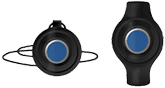
Medical identification jewelry can share important information, while a monitored medical alert system can help connect a person to assistance. Some seniors use both as part of a practical home safety plan. Families comparing different options can also review our guide to senior medical alert bracelets and wristbands.
Federal Programs and Tax Credits That May Help Offset Costs
While there is no national program that universally covers medical alert systems for all Canadians, several federal resources may help eligible individuals explore financial support or related assistance.
Indigenous Health Benefits Programs
Eligible First Nations and Inuit individuals may receive assistance through the Non-Insured Health Benefits Program. The program helps provide access to medically necessary health-related goods and services that are not otherwise covered through provincial or territorial plans.
Coverage decisions are based on medical necessity, eligibility criteria, and program guidelines. Individuals interested in assistance should contact the program directly to determine whether any relevant supports may apply to their situation.
Tax Considerations
Many Canadians assume that medical alert subscriptions qualify as medical expenses for tax purposes. However, current Canada Revenue Agency guidance for the Medical Expense Tax Credit indicates that personal response systems such as Lifeline and similar monitoring services are generally not considered eligible medical expenses.
Because tax rules can change, it is always advisable to review the latest CRA guidance or consult a qualified tax professional when evaluating potential deductions or credits. This is especially important for families budgeting on a fixed income, where even small changes in expected reimbursement can affect planning.
Veterans and Specialized Support Programs
Some veterans and individuals receiving specialized government assistance may have access to additional funding opportunities through programs administered by Veterans Affairs Canada or other organizations. Eligibility varies considerably, making it important to verify current requirements before making assumptions about reimbursement.
Health Canada also notes that community and non-profit organizations may sometimes help people access assistive devices. Families can ask healthcare providers, local seniors’ organizations, and community support agencies whether any local funding options are available.
Provincial Funding Options for Medical Alert Systems
Provincial funding is one of the most important areas to review when looking for medical alert subsidy options in Canada. Coverage is not consistent across the country. Some provinces offer direct reimbursement, some provide possible support through broader seniors or disability programs, and others do not have a reliable funding source that can be listed with confidence.
The section below focuses only on provinces where there is a concrete resource that seniors or caregivers can explore. These resources should not be interpreted as a guarantee of approval, reimbursement, or eligibility.
Alberta
Alberta does not appear to offer a dedicated province-wide medical alert subsidy for all seniors. However, seniors may wish to review Alberta’s financial assistance programs for seniors, which include several supports for eligible older adults.
The most relevant pathway may be the Special Needs Assistance for Seniors program, which helps low-income seniors with certain health and personal supports. Families should confirm directly with the program whether any medical alert-related costs may be considered under their circumstances.
British Columbia
In British Columbia, eligible income assistance and disability assistance recipients may be able to inquire about support through the province’s medical equipment and device supports.
The province’s policy focuses on medically essential equipment and devices. Requests generally require pre-approval and supporting medical documentation, and coverage is not guaranteed. Seniors and caregivers should contact the administering program before purchasing a device or service.
Manitoba
Manitoba has a direct Lifeline service pathway through Victoria Lifeline, a community service of Victoria Hospital Foundation in Winnipeg that connects Manitobans to Lifeline medical alert services.
Eligible Manitobans may qualify for reduced service costs through the Victoria Lifeline Subsidy Program. Some subscribers may also have access to third-party coverage through organizations such as Veterans Affairs, Workers Compensation, Employment and Income Assistance, Manitoba Supports for People with Disabilities, and the Manitoba Métis Federation.
Because eligibility depends on the subscriber’s circumstances and the applicable funding source, Manitoba residents should contact Victoria Lifeline directly to ask about current subsidy options, application steps, and documentation requirements.
New Brunswick
New Brunswick does not appear to offer a dedicated province-wide subsidy for medical alert systems. However, Horizon Health Network is a Lifeline Canada partner through The Moncton Hospital.
Through this partnership, seniors and caregivers in the Moncton area can learn about Lifeline Canada medical alert services, including medical alert devices, fall detection, professional home installation, and patient referrals. The program is not presented as a free service or direct subsidy.
Seniors and caregivers in New Brunswick can contact the program directly to ask about available plans, current pricing, and any referral-related considerations.
Ontario
Ontario does not appear to offer a dedicated medical alert subsidy for all seniors. The Ontario Disability Support Program (ODSP) schedule of benefits for monitoring and medical devices is still worth reviewing for eligible ODSP recipients who are exploring device-related supports.
It is important to be cautious here. ODSP’s monitoring and medical device schedule includes specific eligible items and exclusions, and fee-based subscription monitoring services may not be covered. Seniors and caregivers should not assume that a medical alert system will qualify. Anyone receiving ODSP should speak with their caseworker before purchasing a service.
Quebec
In Quebec, the Independent Living Tax Credit for Seniors offers a potential tax credit pathway for eligible residents.
This is not a medical alert subsidy. It is a refundable tax credit for eligible Quebec residents age 70 or older who incurred certain expenses related to eligible equipment or fixtures used to continue living independently in their principal residence. Seniors and caregivers should review the current Revenu Québec eligibility rules carefully or speak with a tax professional to confirm whether any expense they are considering may qualify.
Provincial Funding Snapshot
| Province | Potential Funding Source | Coverage Availability |
| Alberta | Financial assistance programs for seniors | Possible support through broader seniors’ financial assistance programs. Confirm eligibility directly. |
| British Columbia | Medical equipment and device supports | Eligible recipients may inquire, but approval is not guaranteed. Pre-approval may be required. |
| Manitoba | Victoria Lifeline Subsidy Program | Reduced service costs may be available for eligible Manitobans. Third-party coverage may also apply depending on the subscriber’s circumstances and funding source. |
| New Brunswick | Horizon Health Network partnership with Lifeline Canada | Healthcare-aligned Lifeline Canada service pathway. Not listed as a free service or direct subsidy. |
| Ontario | Ontario Disability Support Program monitoring and medical devices | Eligible ODSP recipients may review device-related supports, but fee-based subscription services may not qualify. |
| Quebec | Independent Living Tax Credit for Seniors | Possible tax credit pathway for eligible seniors and qualifying expenses. Confirm before claiming. |
Funding programs, eligibility requirements, reimbursement amounts, and tax rules can change. Contact the administering organization directly before purchasing a medical alert system or submitting a claim.
Private Health Insurance and Employer Benefits
Private health insurance may provide another source of medical alert insurance coverage, depending on the plan.
Some extended health benefit plans include coverage for medical devices, assistive technology, or safety-related equipment. Others may exclude monitoring services or monthly subscriptions. Employer-sponsored and retiree health plans may also offer reimbursement options, but coverage varies by provider and policy.
Insurers may request supporting documentation from a healthcare provider, especially when a medical alert system is connected to fall risk, mobility limitations, chronic health conditions, or living alone. Coverage decisions often depend on the wording of the plan, so it is best to request pre-approval before purchasing a system.
Questions worth asking an insurer include:
- Does the policy cover personal emergency response systems?
- Is a physician’s recommendation required?
- Are monitoring fees eligible for reimbursement?
- Are there annual spending limits?
- Does coverage apply only to specific devices?
- Is pre-approval required before purchase?
Families reviewing costs may also benefit from our resource on home healthcare solutions for seniors in Canada.
What If You Don’t Qualify for Coverage?
Many Canadians purchase medical alert systems without funding assistance. When government programs or insurance coverage are unavailable, families can still look for ways to manage costs.
Monthly subscription models may reduce upfront expenses, and some families choose to share costs among relatives. Community organizations, charitable programs, local seniors’ services, and caregiver support networks may also know of financial assistance options in your area.
For caregivers, a medical alert system can offer reassurance that a loved one can access help when needed, including when family members cannot be there in person. This can be especially meaningful for long-distance caregivers.
Cost conversations can be sensitive. Some seniors may worry that a medical alert system signals a loss of independence. Framing it as a tool that protects independence can help. Our guide on how to talk to seniors and loved ones about medical alert services offers practical guidance for these discussions.
Choosing a Medical Alert System That Fits Your Budget
Affordability matters, but cost should be weighed alongside reliability, features, coverage, and support.
When comparing systems, consider:
- Monthly monitoring fees
- Equipment costs
- Professional installation options
- Fall detection capabilities
- Home-based versus mobile coverage
- Ease of use
- Customer support availability
- Battery life and charging requirements
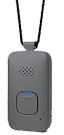
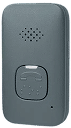
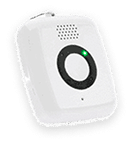
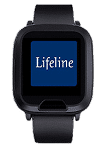
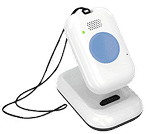
The right choice depends on lifestyle, health needs, and daily routines. HomeSafe may suit someone who wants access to help in and around the home, while On the Go may better support someone who wants coverage outside the home. Families can also review all of our medical alert product options or use the product comparison guide to compare features.
Many seniors benefit from devices with accessibility and a senior-friendly design. A device that is easy to wear, charge, and use is more likely to become part of a daily routine.
For more guidance, review our guide on how to choose the right medical alert system for seniors and our overview of the best fall detection devices for seniors.
Frequently Asked Questions
Does OHIP pay for medical alert systems?
OHIP does not typically cover medical alert monitoring services or subscriptions. Some individuals may qualify for assistance through separate provincial programs, disability-related funding, private insurance, or community support programs.
Are medical alert systems covered by insurance in Canada?
Medical alert systems are not universally covered by insurance in Canada. Coverage depends on the province, the funding program, the person’s eligibility, and the terms of any private insurance or employer benefits plan.
Can I claim a medical alert system on my taxes?
Current CRA guidance generally does not list personal response systems as eligible medical expenses under the Medical Expense Tax Credit. Individuals should review the latest CRA information or seek professional tax advice before claiming any expense.
Which province offers the most direct medical alert subsidy in Canada?
The provinces listed in this guide may provide support through broader seniors programs, disability supports, tax credits, healthcare partnerships, or service-specific subsidy pathways, but eligibility and coverage vary.
Will private insurance reimburse a medical alert subscription?
Some private insurers may provide reimbursement, but coverage varies widely between plans. Contact your insurer directly to confirm whether personal emergency response system funding is included in your policy.
Can caregivers receive financial assistance for medical alert services?
In some cases, caregiver support programs and provincial assistance initiatives may help offset costs associated with supporting a senior living at home. Eligibility requirements vary by program, and assistance may not be specifically designated for medical alert services.
What documents should I keep if I plan to request reimbursement?
Keep receipts, invoices, service agreements, physician notes, insurer correspondence, and any pre-approval documents. Documentation requirements vary by funding program or insurance plan.
Supporting Safety and Independence at Home
Medical alert insurance coverage in Canada varies by province, program, and individual eligibility. Most provincial health insurance plans do not automatically cover medical alert systems, but support may be available through provincial programs, disability supports, Indigenous health benefits, caregiver initiatives, community organizations, or private insurance.
Before purchasing a system or submitting a claim, confirm current requirements directly with the administering organization.
About the Author
What You Should Do Now:
Here are 5 ways we can help you or your loved one live safer and more independently at home as long as possible:
- Get our latest tips, tools and resources straight to your inbox. Sign up for our monthly newsletter.
- Not sure if the time is right for a medical alert service? Take this quick assessment to find out.
- If you would like to learn how to live a healthier and safer lifestyle, go to our blog or visit our resources section, where you can read and download guides.
- Wondering which medical alert system company is the best for your needs? We’ve put together a guide comparing the best medical alert systems for you.