
Lifeline Canada offers medical alert systems that help Nova Scotia seniors stay safe, connected, and independent at home and throughout their communities.
Call Us Now
Nova Scotia includes a wide range of communities, from Halifax and Dartmouth to coastal towns, rural areas, and smaller communities across the province. For older adults who want to continue living independently, having reliable access to help can make daily life feel more secure.
Lifeline Canada provides medical alert systems for Nova Scotia residents who want support at home, on the go, or both. These systems can be especially helpful for seniors with changing mobility, increased fall risk, chronic health concerns, or caregivers who want reassurance when they cannot be nearby.
Lifeline’s approach focuses on helping older adults continue their routines with added confidence, rather than making support feel restrictive.
Medical alert needs can vary from person to person. Some users want a simple in-home button, while others need mobile support for errands, appointments, social visits, or outdoor activities.
Lifeline offers a range of devices to support these different lifestyles.
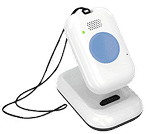
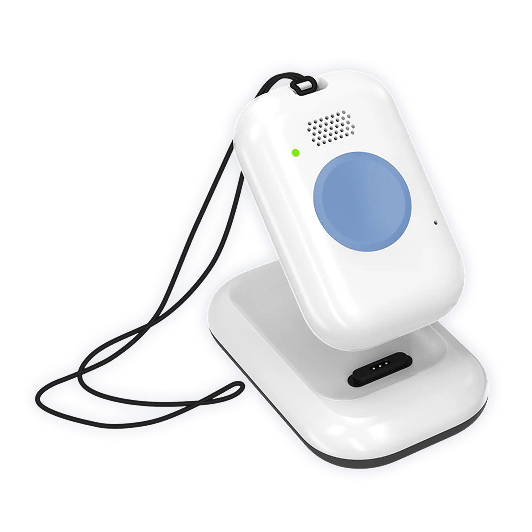
In home coverage that quickly connects you to our Lifeline response centre with a simple push of your help button.
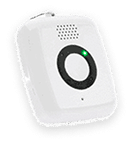
Enjoy the same reliable 24/7 coverage of HomeSafe Standard with the addition of fall detection for added peace of mind.
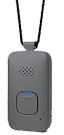
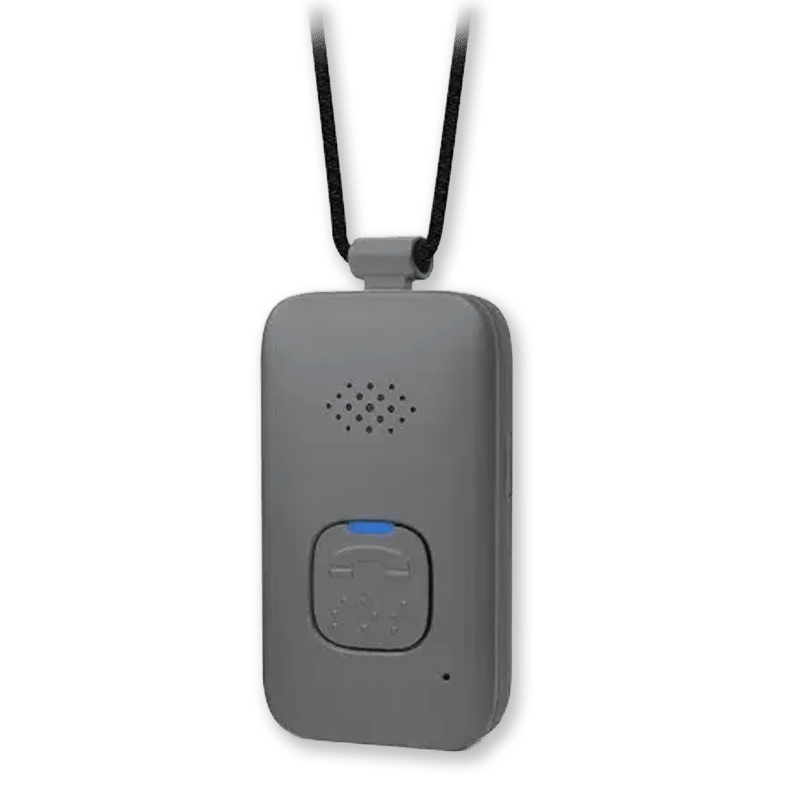
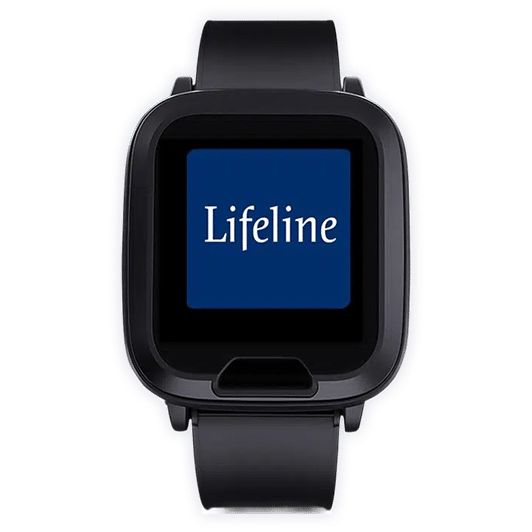
Our standard mobile medical alert device—easy to use and fast, 24/7 access to help at the press of a button.
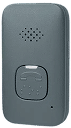
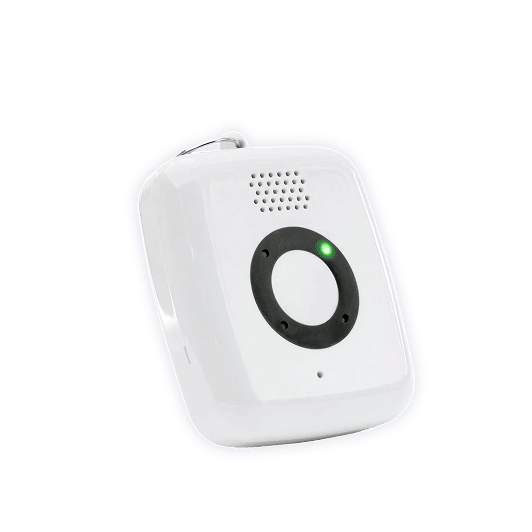
Our lightweight mobile solution is perfect for those who prefer a discreet option. Enjoy the same trusted functionality as On the Go.
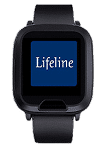
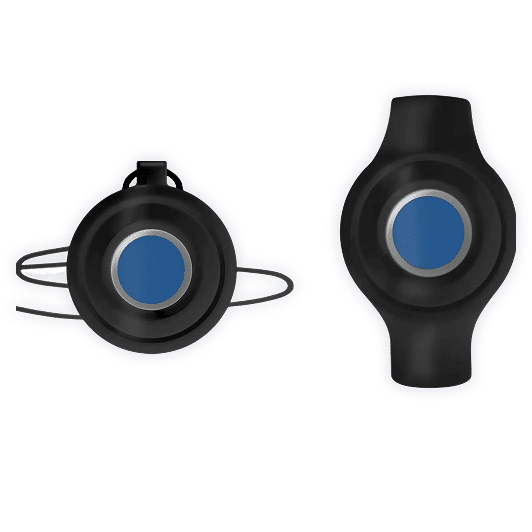
A stylish alternative to traditional mobile medical alert systems and suitable for active lifestyles. Includes:
All the benefits of our On the Go mobile devices but designed for individuals who may wander and the caregivers who support them.
A simple, affordable and automated way to manage multiple medications with 24/7 monitoring.
Lifeline devices offer features designed to support safety and daily living:
For Nova Scotia seniors planning to remain at home, safety tools can complement broader aging-in-place planning. Lifeline’s guide to aging in place and senior safety offers practical information for families considering home safety, mobility, and support needs.
If you’re comparing options, you can take our 30-second medical alert assessment to identify a suitable match.
A medical alert system should feel dependable, simple, and respectful of the user’s independence. Lifeline Canada has decades of experience supporting older adults and caregivers with systems designed for real-life use.
For many seniors, there can be hesitation around wearing a medical alert device. Some worry it may make them seem less independent. Lifeline’s message is different: access to help can help protect independence by making it safer to continue living at home.
This can be especially reassuring for families supporting loved ones in rural or coastal communities, where neighbours, family members, and emergency services may not always be immediately nearby.
Lifeline’s work across Canada is supported by healthcare and community relationships that help connect seniors and caregivers with safety solutions.
In Nova Scotia, a medical alert system may be considered as part of discharge planning, caregiver support, chronic condition management, or fall prevention planning.
Across Nova Scotia, Lifeline collaborates with healthcare organizations and community partners to support timely access to help for older adults and individuals with health-related safety needs.
Lifeline responded to 46,650+ medical alarms across Nova Scotia.
We requested EMS 1,200+ times for Nova Scotians who pushed their Lifeline buttons for help.
Since 2010, Lifeline’s fall detection technology has detected 6,900+ falls in Nova Scotia.
More than 140 Nova Scotians have relied on Lifeline for over 10 years.
Across Nova Scotia, Lifeline works with numerous partner organizations, including hospitals, community agencies, and senior living facilities.
Source: Lifeline data from 2024
When a Lifeline user presses their button, a trained response associate follows the user’s personalized response plan. Depending on the situation, this may involve contacting a caregiver, family member, neighbour, or emergency services.
This approach helps ensure that support is guided by the user’s needs, location, and preferred contacts.
Lifeline helps Nova Scotia seniors add safety support without giving up the routines, homes, and communities they value. With in-home and mobile options available, families can choose the level of support that fits their needs.
For caregivers, that support can bring peace of mind. For seniors, it can help make independent living feel more secure.
Lifeline Canada serves communities across Nova Scotia, including: