






We don’t like to think about falling or having accidents but they do occur, especially as we age. In Canada, one in three people over the age of 65 will experience a fall this year. A concern for many people is “What if I have an accident or a fall and can’t tell someone about my medical history?”
Many people consider purchasing a medical alert bracelet. This wearable device can tell people about any significant medical conditions you have or any medications you take — even when you can’t. Purchasing a medic alert bracelet can be reassuring, make people feel they’ve taken an important step toward protecting their safety.
There are different kinds of devices available and they’re not all the same. With so many Canadian medical alert bracelets on the market, how can you choose which one is right for you?
Here are some facts about some medical bracelets in Canada that can help you narrow your choices.
Medical Alert Bracelets, Necklaces & Jewelry: What to Know
Medical alert jewelry can include a medical alert bracelet, medical alert necklace, pendant, charm, or other wearable item that shares important health information in an emergency. These options are often used by seniors, people managing chronic conditions, individuals with allergies, or anyone who may not be able to clearly communicate during a fall, accident, or medical event.
Some medical ID jewelry is designed only to display information, while other wearable medical alert devices can connect the wearer with help. Understanding this difference is important when choosing the right option for yourself or a loved one.
What Is an Emergency Contact Bracelet?
The purpose of an emergency contact bracelet is to provide quick and easy access to essential information that can help medical professionals make informed decisions during emergencies. This information may include the wearer’s name, date of birth, allergies, pre-existing medical conditions, current medications, and emergency contact details.
What Is Medical Alert Jewelry?
Medical alert jewelry is wearable identification that communicates key medical details when a person may not be able to speak for themselves. It may include engraved information such as allergies, medical conditions, medications, implanted devices, or emergency contacts.
Medical alert jewelry for seniors may be helpful for those living with diabetes, epilepsy, heart conditions, dementia, severe allergies, or a higher risk of falls. Traditional medical ID jewelry is passive, meaning it does not call for help. Its purpose is to make important information visible to first responders, healthcare providers, caregivers, or bystanders.
For some people, this may be enough. For others, especially seniors who live alone or spend time independently, a monitored medical alert device may provide more complete support.
Types of Medical Alert Jewelry
Medical Alert Bracelets
A medical alert bracelet is one of the most common options because it is worn on the wrist and may be easy for first responders to notice. Medical alert bracelets for seniors may be simple and functional, or they may be designed to look more like everyday jewelry.
Some bracelets include engraved text, while others direct emergency personnel to a wallet card, a phone number, a website, or a linked medical profile. The most important factor is that the information is accurate, easy to find, and kept up to date.
Medical Alert Necklaces and Pendants
A medical alert necklace or medical alert pendant may be a better option for people who do not like wearing something on their wrist. Necklaces can feel more comfortable for some wearers and may be easier to keep on throughout the day.
It is important to note that not all pendants work the same way. Some pendants are engraved pieces of medical ID jewelry, while others are part of a monitored medical alert system with a help button.
Basic Medical ID Bracelets in Canada
These emergency alert bracelets, also known as medical ID jewelry, have a recognizable medical symbol engraved on them, which alerts emergency personnel that the wearer has a specific medical condition they need to be aware of. A medical ID bracelet is a practical way to communicate information to first responders in an emergency situation. Some of these bracelets are pre-inscribed with a particular condition, such as diabetes or specific allergies. A person can purchase the medical alert bracelet inscribed with the appropriate condition and begin wearing it immediately. There is no personalization — i.e. your name, medication you might take, who to contact — with this type of bracelet.
Other types of emergency alert bracelets include custom engraving of the medical ID tags with the price of purchase. With these products, the purchaser can select essential personal information to include on the bracelet. This might be the wearer’s name, who to contact in case of emergency, as well as the necessary medical conditions. Some of these medical ID jewelry direct emergency personnel to a wallet card for more detailed information. In that case, it is important for wearers to have the wallet card on them at all times. There is a slight delay between purchase and starting to wear this type of emergency alert bracelet to allow for the custom engraving.
These basic medical alert ID bracelets are available in many different materials and fashion options, such as sterling silver or stainless steel with rose gold finish. Some are also available as necklaces. Having material choice and fashionable options can be appealing to people are self-conscious about the appearance of medical alert devices.
Where do I get an emergency alert bracelet?
Basic medical bracelets in Canada are available in department stores, drug stores, and online stores.
Bracelet with Linked Medical Profile
These medical alert bracelets are similar to the ones with customized engraving above, but they also include a feature that links to a medical profile listing medications, allergies, surgeries, and other relevant information. In addition, the profile can include a list of people to contact in the event of an emergency.
The medical alert bracelet will be engraved with an identification number that is unique to the wearer, as well as a phone number or website to contact for the medical information. Any emergency personnel assisting the wearer can obtain more detailed information than can be contained on the bracelet or a wallet card.
An advantage of having an emergency bracelet associated with an active profile is that the information can be updated as circumstances change. For example, if the wearer develops a condition, stops taking certain medications, or starts a new treatment, the profile can be updated without replacing the medical alert bracelet. The more up-to-date a person keeps their medical profile, the better equipped emergency personnel are to provide treatment.
Before purchasing a medical alert bracelet with a profile, find out whether you need to set up the profile on your own or if someone will assist you. Many people find it easier to have assistance because those associates have the expertise and knowledge about what information should be in the profile. They can ensure the information is not only accurate but also presented in a way that emergency personnel will understand.
Like the basic medical ID bracelets, there are a variety of styles and materials available. Necklaces are also an option.
Do Medical Alert Bracelets or Jewelry Call for Help?
Most traditional medical alert bracelets, necklaces, and engraved pendants do not call for help. They are designed to share information with someone who is already nearby.
This is one of the key differences between medical alert jewelry and a medical alert system. A bracelet or necklace may indicate a medical condition, an allergy, or an emergency contact. A monitored device can help the wearer connect with trained support when help is needed.
For seniors who are concerned about falls, living alone, or being unable to reach a phone, this distinction matters. Medical ID jewelry can be useful, but it may not replace the reassurance of a connected system.
Medical Alert Jewelry vs. Medical Alert Systems
Medical alert jewelry and medical alert systems both support safety, but they serve different needs.
| Feature | Traditional Medical Alert Jewelry | Monitored Medical Alert System |
| Shares medical information | Yes | Yes, through a user profile |
| Calls for help | Usually no | Yes |
| Two-way communication | No | Available with many systems |
| Fall detection | No | Available with select devices |
| GPS/location support | No | Available with mobile options |
| 24/7 response | No | Yes |
The best option depends on the person’s health, lifestyle, and level of support needed. Someone who is usually with others may only need visible medical information. Someone who lives alone, has a history of falls, or wants added confidence outside the home may benefit from a monitored system.
Related Lifeline resources that may help readers compare options include How to Choose the Right Medical Alert System for Seniors, Best Fall Detection Devices for Seniors, and How Medical Alert Systems Support Those with Chronic Conditions.
Medical Alert Systems with Wristbands and Pendants for Seniors
Why to choose a medical alert system over a basic medical bracelet with profile?
Some people have concerns that medical alert bracelets with a profile could cost valuable time following a fall or accident. When emergency first responders are required to phone the hotline or log into a website to access the medical profile, minutes could pass when time is of the essence. That’s why medical alert systems are a popular choice. With many medical alert systems, two-way communication is part of the package. Medical alert systems help seniors to live a more independent life.
Related: How to Choose the Right Medical Alert System for Seniors?
Fall Alert Bracelet
What that means is if you fall, the service has a trained Response Associate on the line as soon as the help button is pushed. The Response Associate can communicate with you within less than a minute and assess the situation. If necessary, emergency services are contacted, and the Response Associate stays on the line until they arrive. The Response Associate will immediately provide emergency personnel with your medical history.
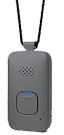
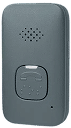
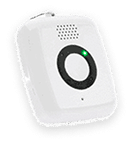
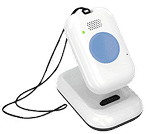
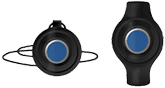
One of the key differences between medical alert services and medical alert bracelets is in the appearance of the device. Because the device either links to a communicator or acts as the communicator, it has a large button that, when pressed, connects with the communicator and the Response Centre.
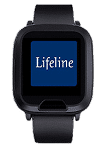
There are different service packages available from different providers. Lifeline, for example, offers the HomeSafe package that includes a medical alert wristband or pendant option.
Fall Detection Pendants
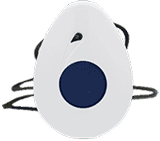
For people who are especially concerned about falls, Lifeline offers Fall Detection. The device uses automatic fall detection technology that determines when a fall has occurred and can automatically alert the monitoring center even when you can’t.
Fall Detection comes with a pendant to wear — not a wristband — because the technology works better at the neck/chest level. A wristband experiences too much regular, vertical movement to accurately determine that a fall has occurred. The advanced fall-detection technology in Fall Detection uses algorithms that can distinguish everyday movements from a fall.
Choosing the Right Option for Your Needs
Choosing between a medical alert bracelet, medical alert necklace, medical ID jewelry, or monitored device starts with a daily routine. Consider whether the person is usually at home, active in the community, living alone, or supported by a caregiver.
Comfort is also important. A wearable option only works when it is worn consistently. Some people prefer bracelets because they are familiar and visible. Others prefer necklaces or pendants because they feel easier to wear every day.
Caregivers may also want to consider how much support their loved one needs when they are not nearby. For many families, a monitored medical alert system can offer peace of mind while helping seniors maintain independence.
Mobile Medical Alert Pendants with GPS
With Lifeline’s On the Go mobile medical alert system with Fall Detection, you have the freedom to engage in your everyday activities, whether at home or away from home. If you fall or experience an accident, On the Go uses five different locating technologies so that you can be located accurately and quickly. The pendant with an alert button acts as your two-way connection to the Monitoring Center.
With all of the Lifeline packages, one of our trained associates will install the equipment properly and assist in creating your medical profile so you can be confident it is accurate and up-to-date.
Lifeline Medical Alert Devices vs. Traditional Jewelry
Traditional medical alert jewelry is helpful when the main goal is to communicate medical information. Lifeline medical alert devices are designed for seniors who may also need a way to request help.
Depending on the service selected, Lifeline offers wearable options for at-home and on-the-go support, including wristbands and pendants. Unlike traditional jewelry, these devices are part of a monitored service. When help is needed, the wearer can connect with a trained Response Associate who can assess the situation and contact the right support.
For many seniors and caregivers, that connection is what makes the difference between simply carrying information and taking action.
Using a Wearable Medical Alert Device
Regardless of what emergency alert bracelet, system, or pendant you choose, remember to wear it at all times. Incidents and medical emergencies can occur at any time, and if your medical alert bracelet or pendant isn’t on you, it can’t provide anyone with your essential medical information. So, as you’re comparing medical alert companies offering bracelets and medical alert systems, keep comfort in mind. Is this device something that you’ll be comfortable wearing all the time? Is it waterproof or water-resistant and able to be worn in the shower or bath?
About the Author
What You Should Do Now:
Here are 5 ways we can help you or your loved one live safer and more independently at home as long as possible:
- Get our latest tips, tools and resources straight to your inbox. Sign up for our monthly newsletter.
- Not sure if the time is right for a medical alert service? Take this quick assessment to find out.
- If you would like to learn how to live a healthier and safer lifestyle, go to our blog or visit our resources section, where you can read and download guides.
- Wondering which medical alert system company is the best for your needs? We’ve put together a guide comparing the best medical alert systems for you.