




Key Tips Discussed in This Blog
- Seniors face a higher risk of falls after hospital discharge, making the first weeks and months at home a critical time for added safety support.
- Fall detection works best when combined with access to help at the push of a button, ensuring seniors can request assistance in many situations, not only after a detected fall.
- Faster response after a fall reduces time spent on the ground, which is associated with better recovery outcomes and fewer complications.
- Acceptance of fall detection technology is higher when devices are comfortable and easy to use, and when they are designed to support independence rather than replace personal care.
- Caregivers gain peace of mind knowing help is available at home, even when they cannot be physically present during recovery.
Returning home after a hospital stay is often a welcome step forward, but it can also be one of the most vulnerable stages of recovery. Temporary changes in strength, balance, medication routines, and confidence can make everyday movement feel less predictable, even for seniors who were previously independent.
During this transition, safety support becomes an important part of recovery. Fall detection and medical alert services help bridge the gap between hospital care and independent living by ensuring help is available when it is needed most.
Risks After Hospital Stays
Hospitalization often involves periods of reduced activity, bed rest, or acute illness. For older adults, these factors can lead to muscle weakness, slower reaction times, and reduced balance once they return home. Even short hospital stays can have a lasting impact on mobility and stability.
Falls
Research shows that the risk of falling increases significantly after discharge. A process evaluation protocol published in BMJ Open reports that at least 40 percent of older adults experience a fall within six months of leaving the hospital, with more than half of these falls resulting in injury. This elevated risk highlights the importance of proactive safety planning during the post-discharge period.
Medication Changes
Medication changes can also play a role. New prescriptions or dosage adjustments may cause dizziness, fatigue, or changes in blood pressure, all of which can affect balance. Combined with reduced confidence after illness or injury, these factors make the transition home a particularly sensitive time.
How Fall Detection Aids Recovery
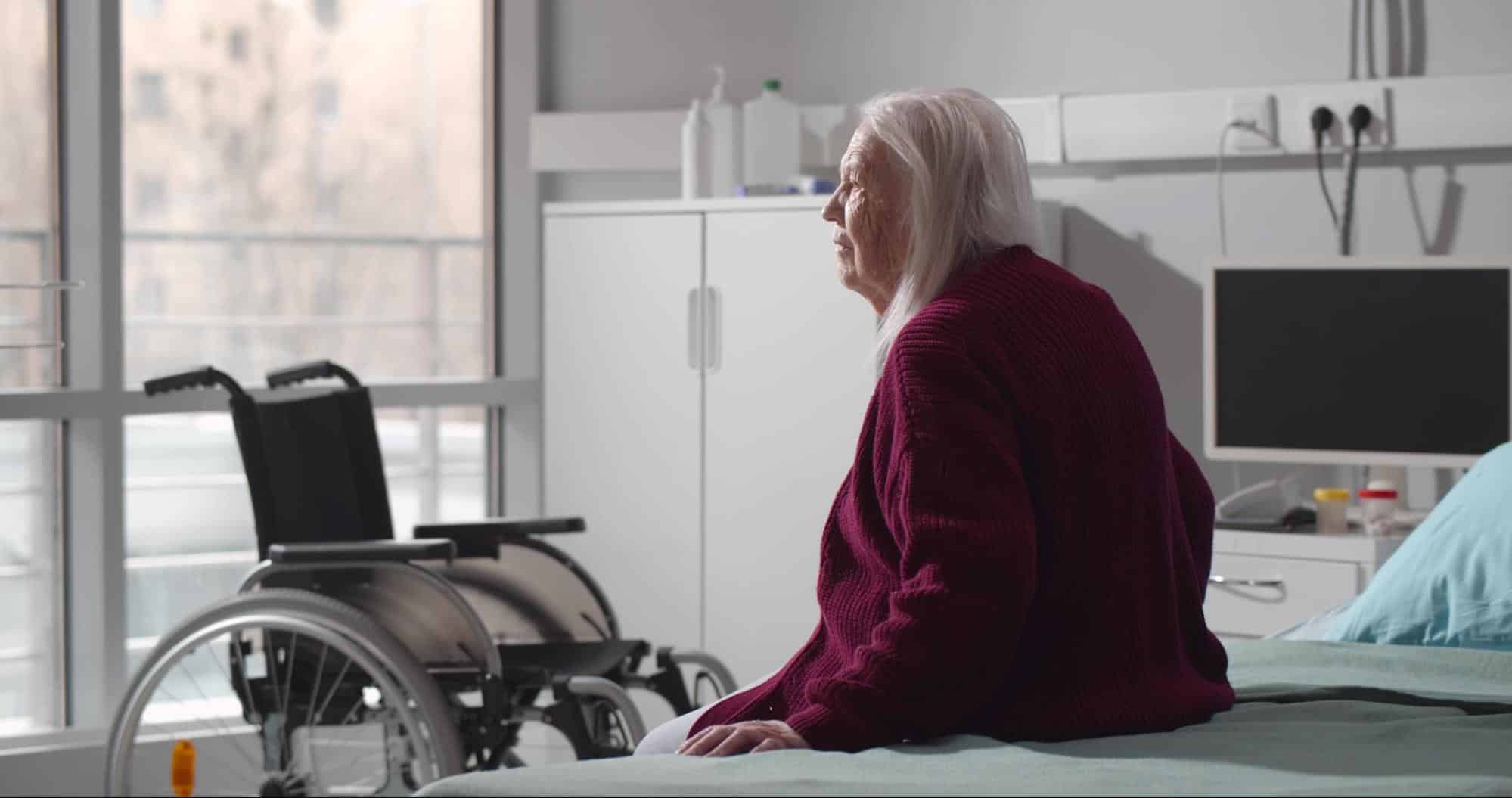
Fall detection devices are designed to recognize when a fall has occurred and automatically alert for help if the wearer cannot do so themselves. This function can be especially valuable during recovery, when strength, balance, and reaction time may still be limited after a hospital stay.
Access to Assistance
Quick access to assistance matters during this phase of recovery. Even when a fall does not result in serious injury, difficulty getting up or uncertainty about what to do next can increase stress and delay recovery. Knowing that help can be reached quickly allows seniors to focus on regaining mobility while reducing the worry that often accompanies movement during early recovery.
Fall detection is most effective when it is part of a broader safety approach. Not every emergency involves a fall, and not every fall is detected automatically. Access to help at the push of a button allows seniors to request assistance whenever something does not feel right, whether due to dizziness, weakness, pain, or concern after a near-fall.
Medical Alert Systems
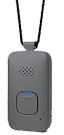
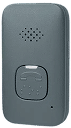
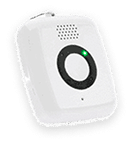
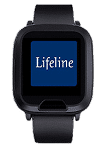
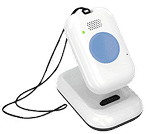
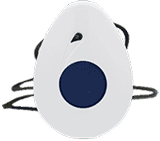
Tools and services, like many of Lifeline’s medical alert systems, combine fall detection with manual call capabilities, offering flexible support that adapts to real-life situations. This combination helps seniors feel more secure as they resume daily activities and rebuild confidence after discharge.
Acceptance of fall detection technology also plays an important role in its effectiveness. A content analysis published in BMC Geriatrics found that older adults and their families are more likely to adopt fall detection when devices are comfortable, easy to use, and aligned with a desire to remain independent. Seniors consistently preferred solutions that support personal autonomy rather than replace human care.
Caregiver Benefits
The transition from hospital to home can be stressful for caregivers as well. Family members often worry about falls, medication management, and whether their loved one will ask for help when needed. This concern can be heightened when caregivers are balancing work, distance, or other responsibilities.
Medical alert services help ease this burden by providing a reliable way for seniors to access assistance independently. Fall detection adds another layer of reassurance by helping ensure that help can be summoned even if a senior is unable to press a button after a fall.
Knowing that safety support is in place allows caregivers to step back gradually as recovery progresses. This balance supports independence for seniors while offering caregivers peace of mind during a period that can otherwise feel uncertain.
Supporting a Safer Transition Home
Recovering at home after a hospital stay takes time, patience, and the right support. Fall detection devices, when paired with the ability to call for help at the push of a button, play an important role in creating a safer recovery environment.
By supporting timely access to assistance and encouraging confidence during daily movement, these tools help seniors focus on healing while maintaining independence. Thoughtful safety planning during the post-discharge period can make the transition home feel more secure for everyone involved.
About the Author
What You Should Do Now:
Here are 5 ways we can help you or your loved one live safer and more independently at home as long as possible:
- Get our latest tips, tools and resources straight to your inbox. Sign up for our monthly newsletter.
- Not sure if the time is right for a medical alert service? Take this quick assessment to find out.
- If you would like to learn how to live a healthier and safer lifestyle, go to our blog or visit our resources section, where you can read and download guides.
- Wondering which medical alert system company is the best for your needs? We’ve put together a guide comparing the best medical alert systems for you.